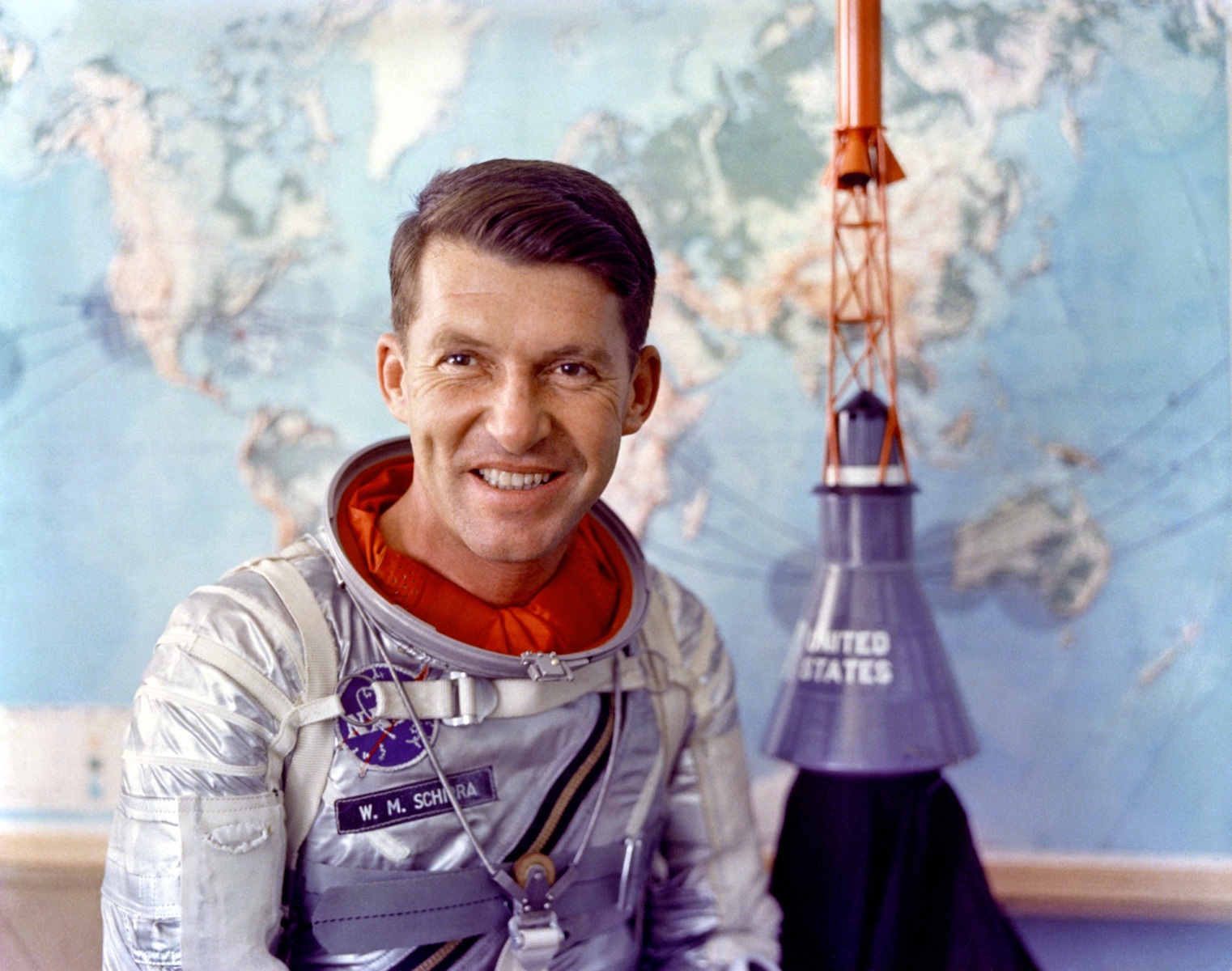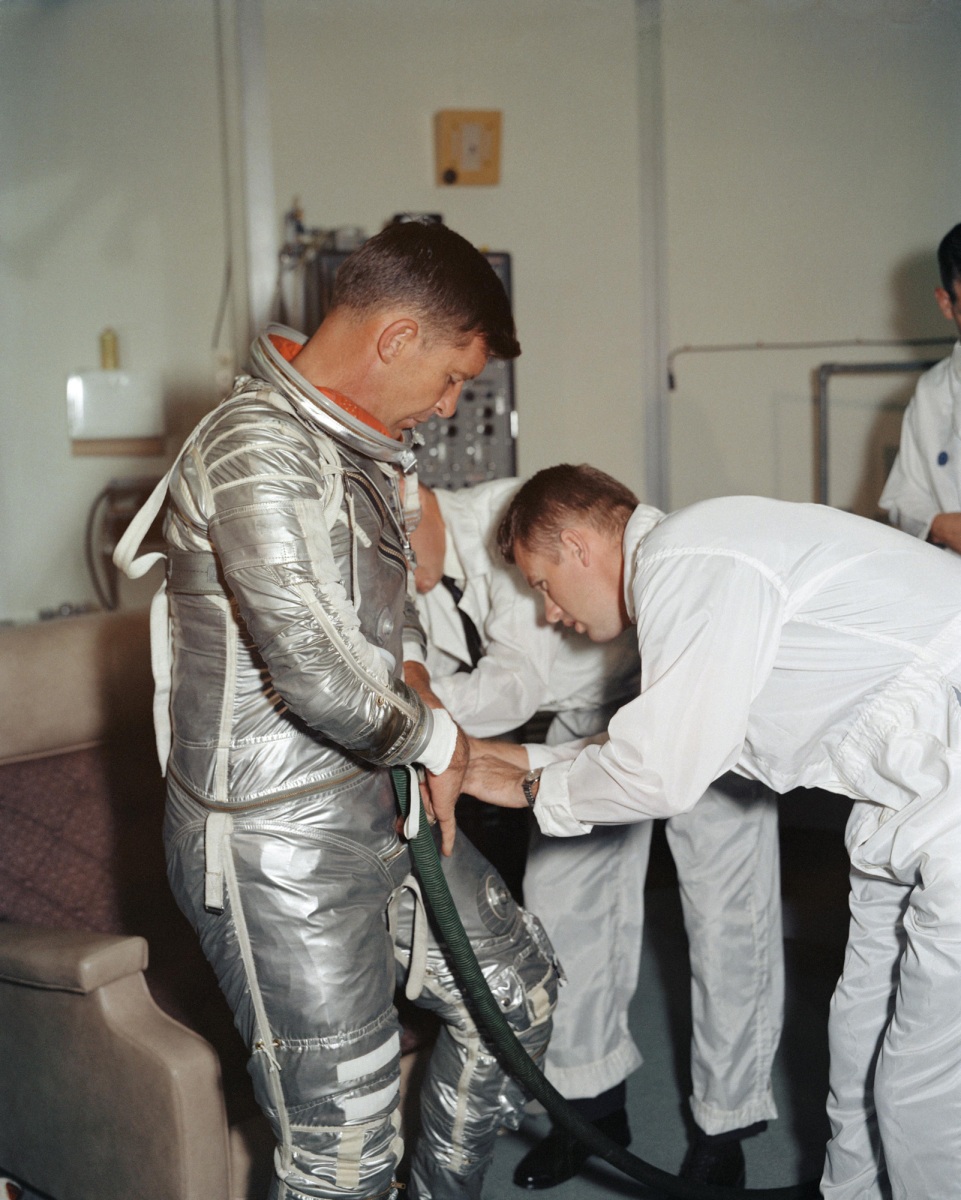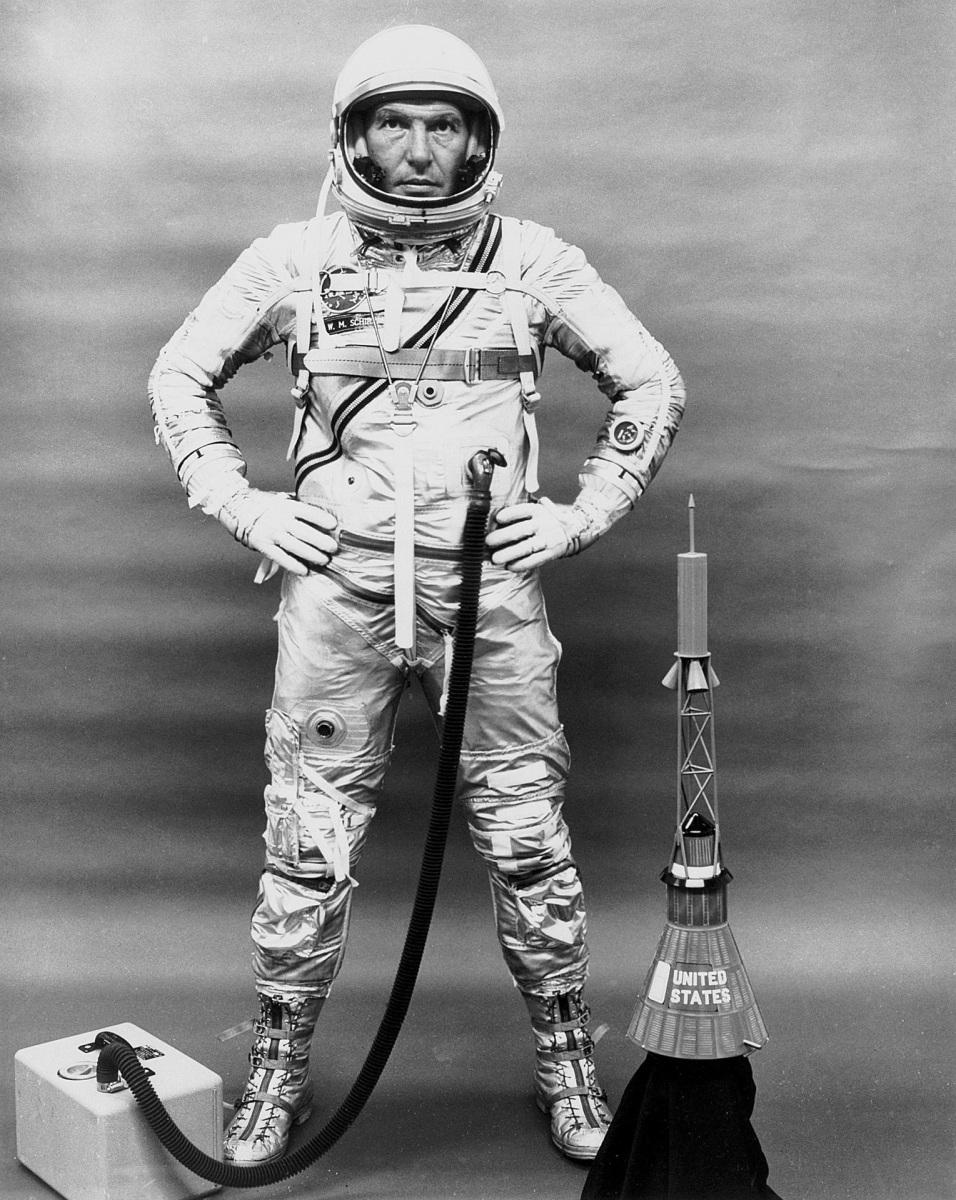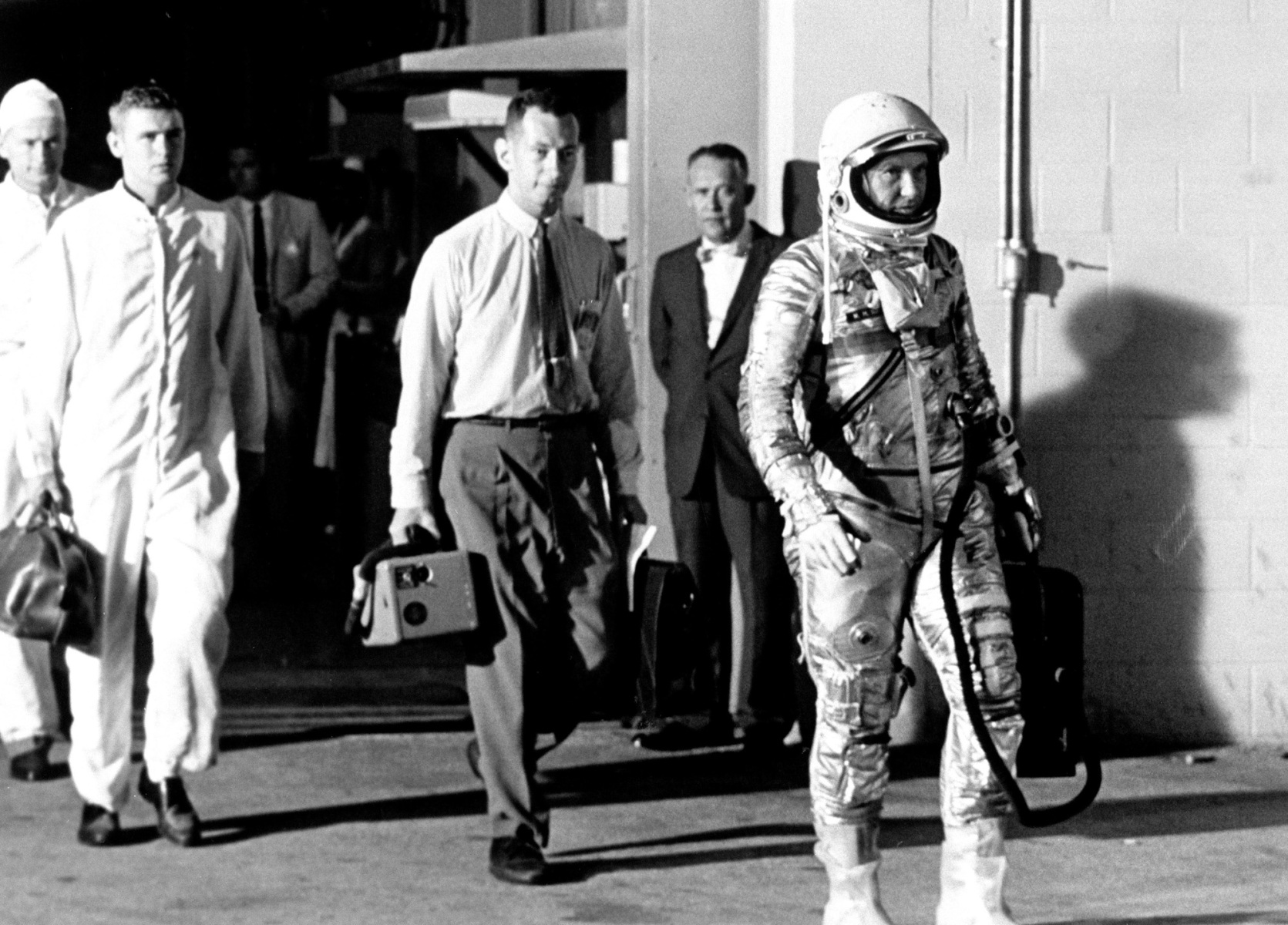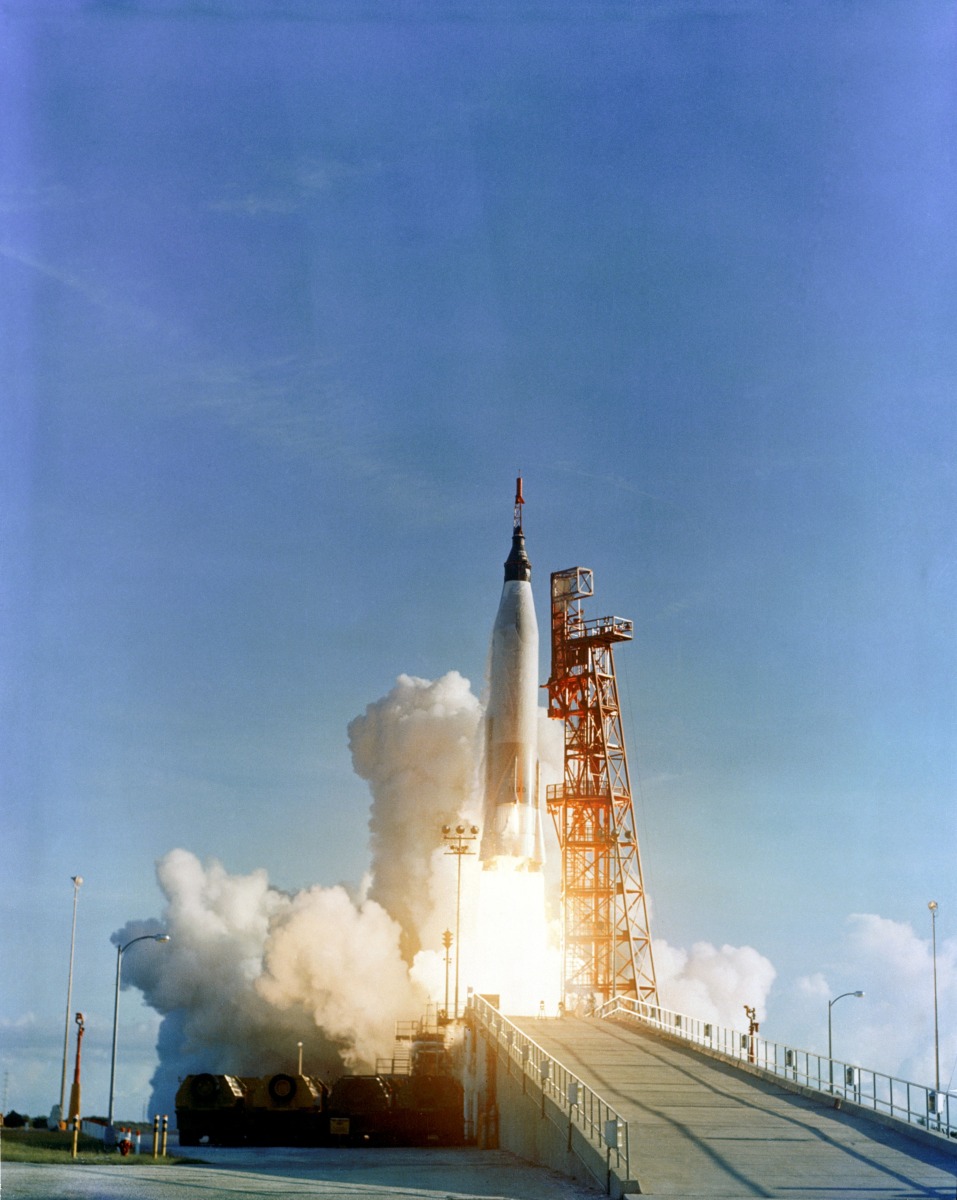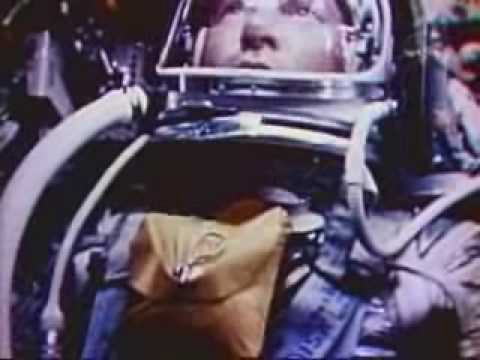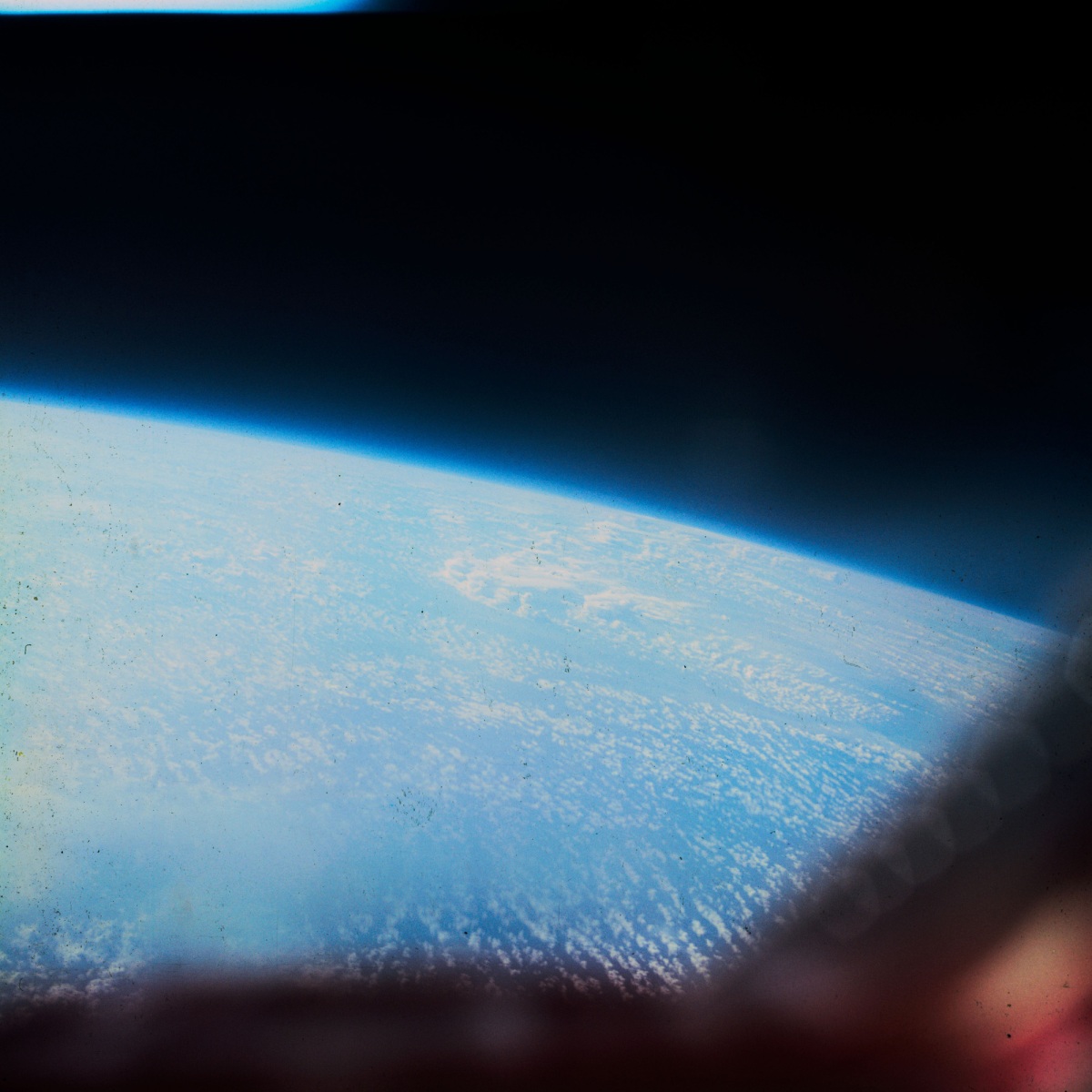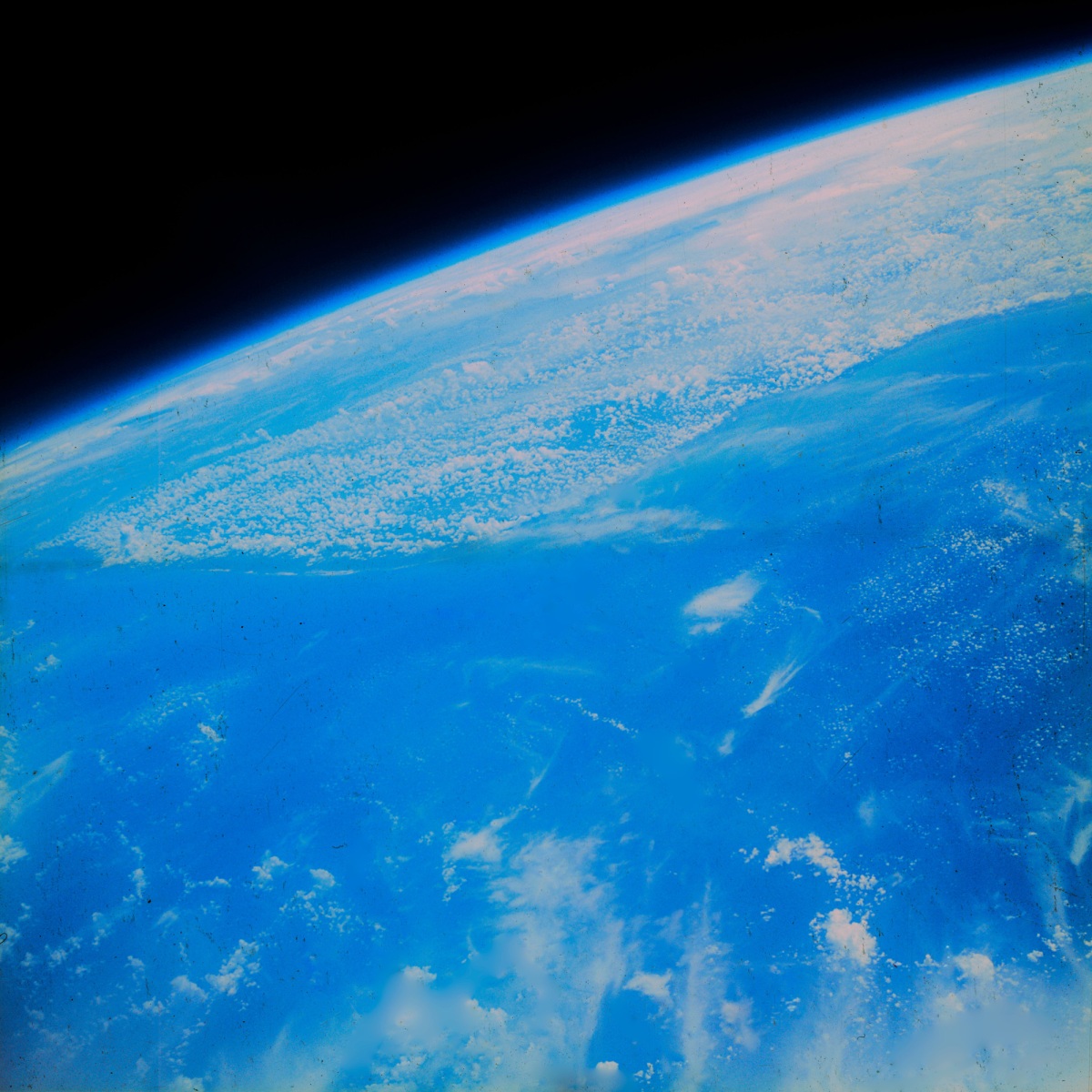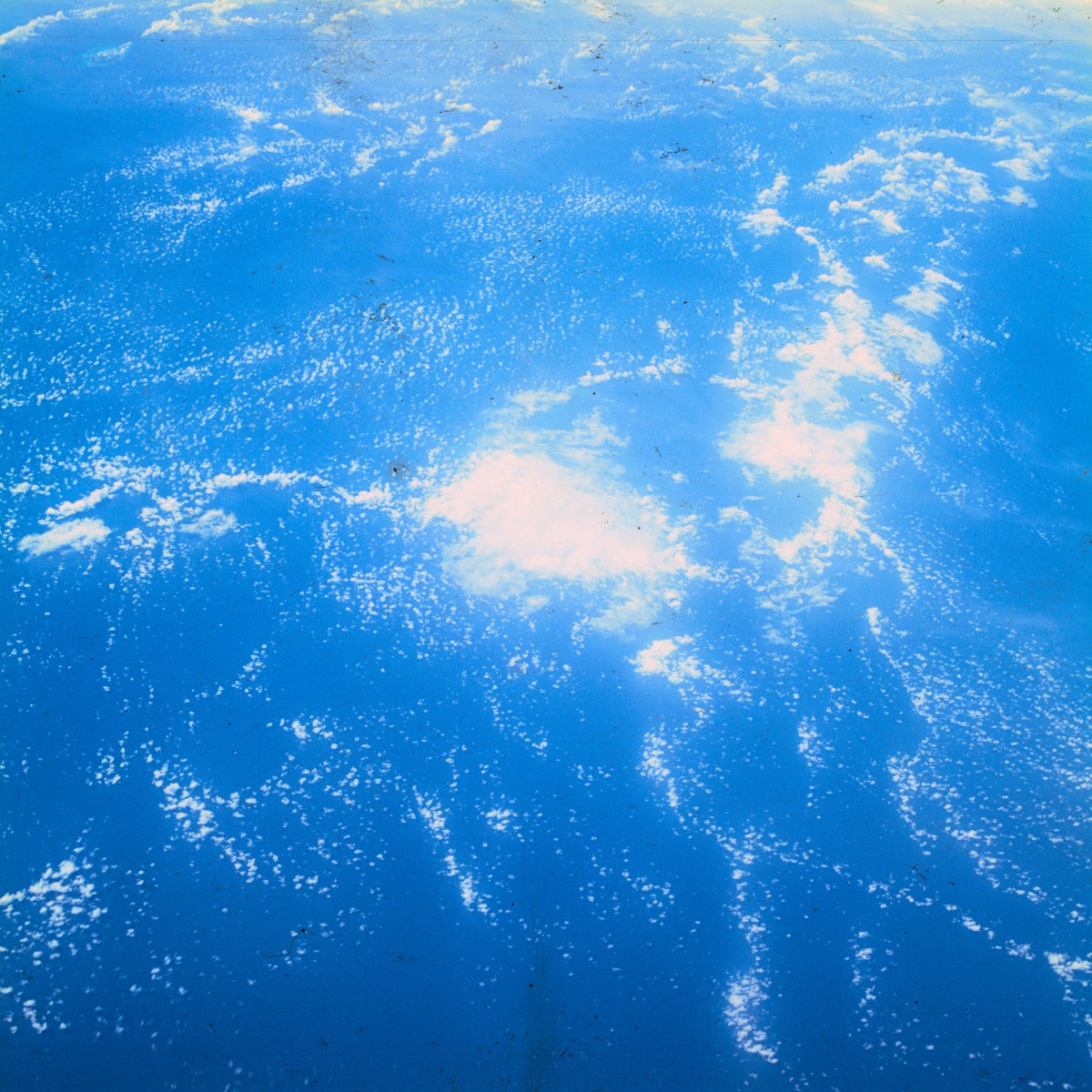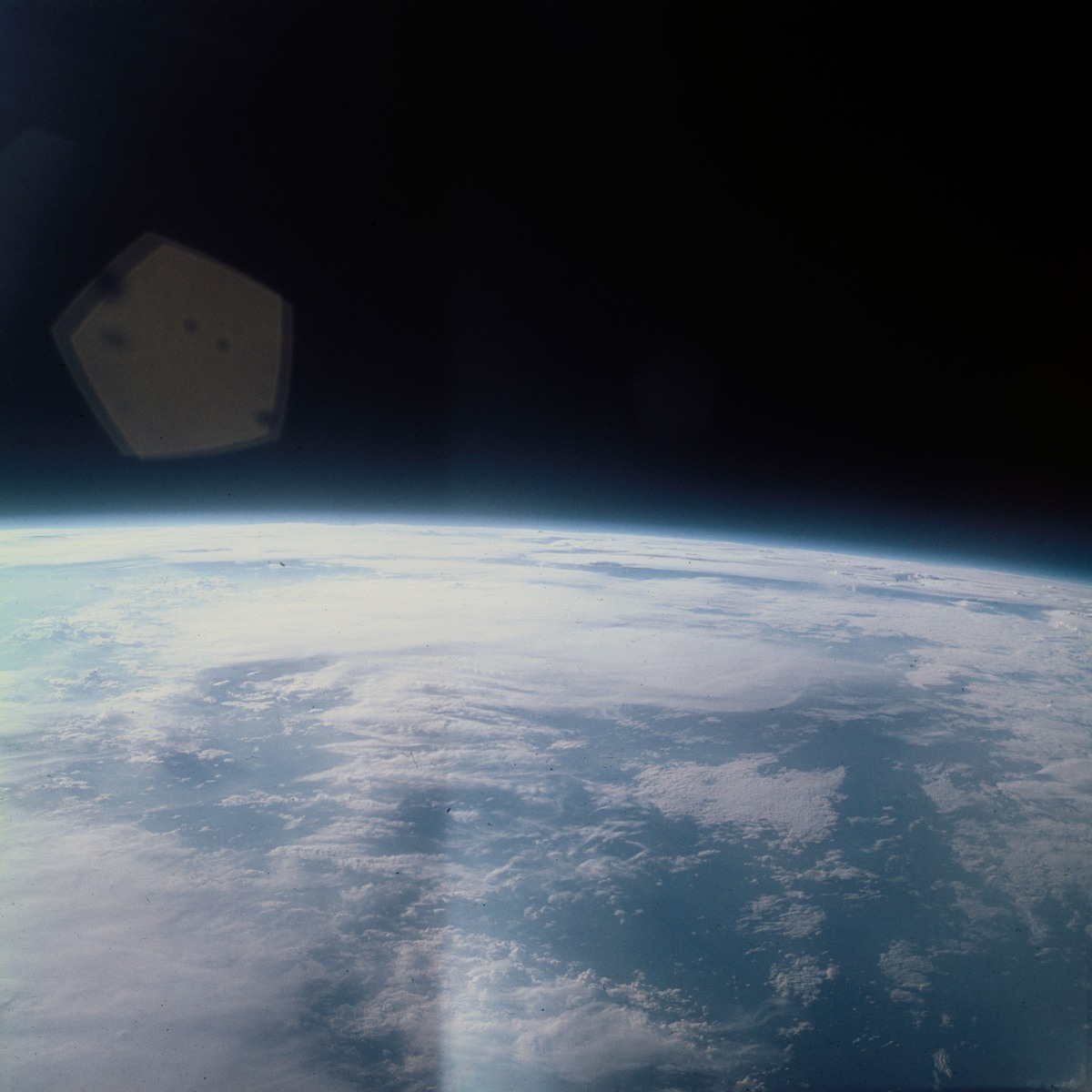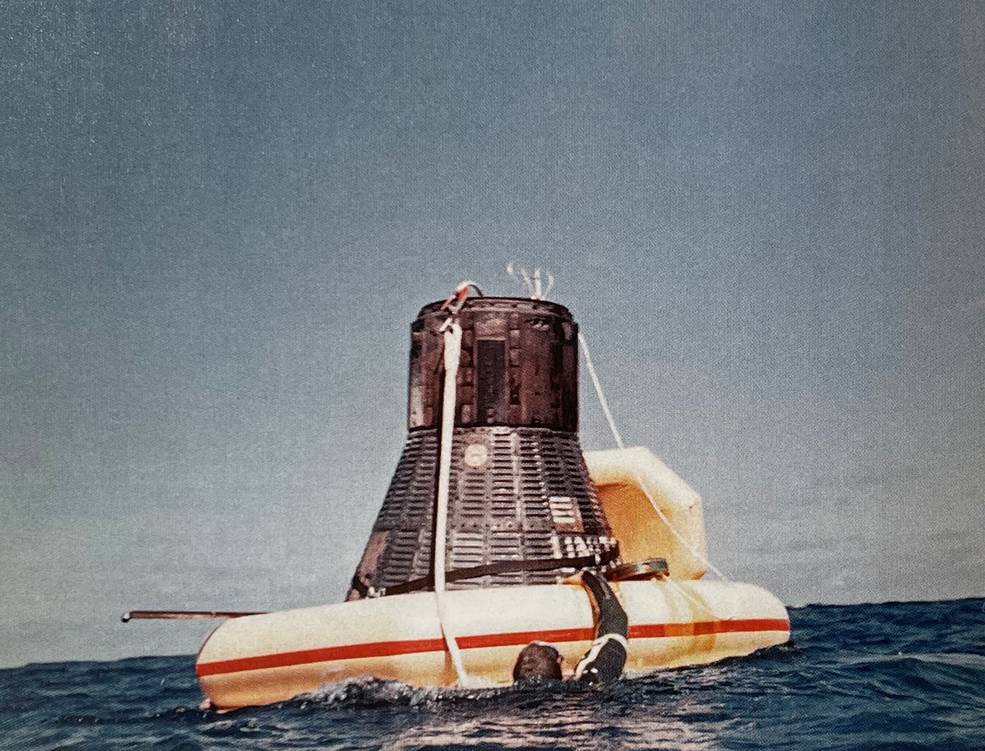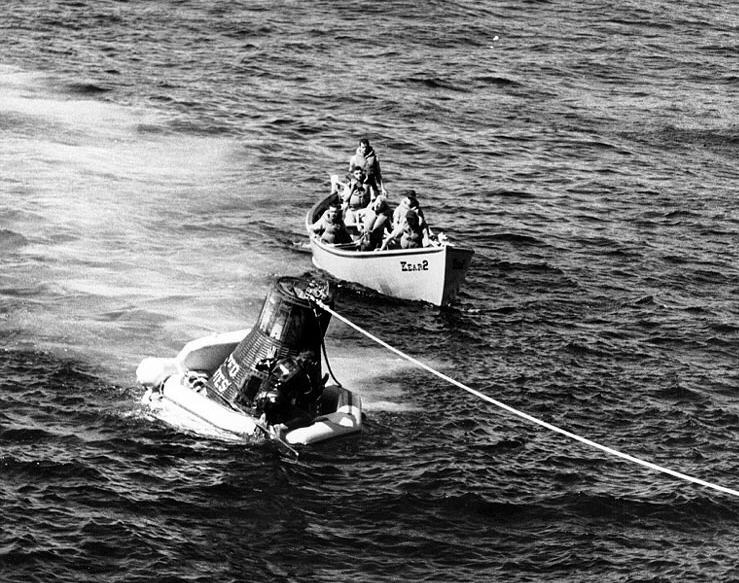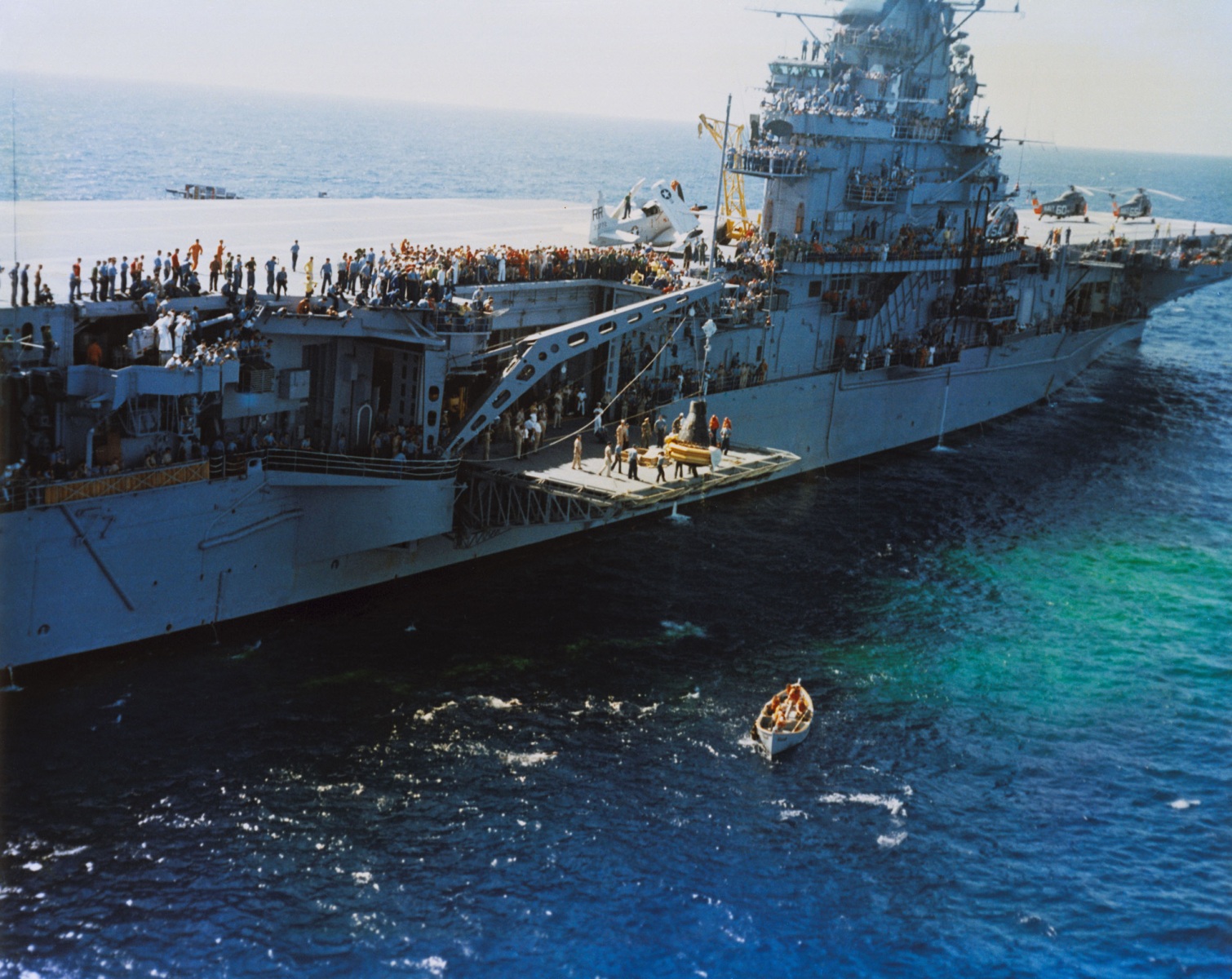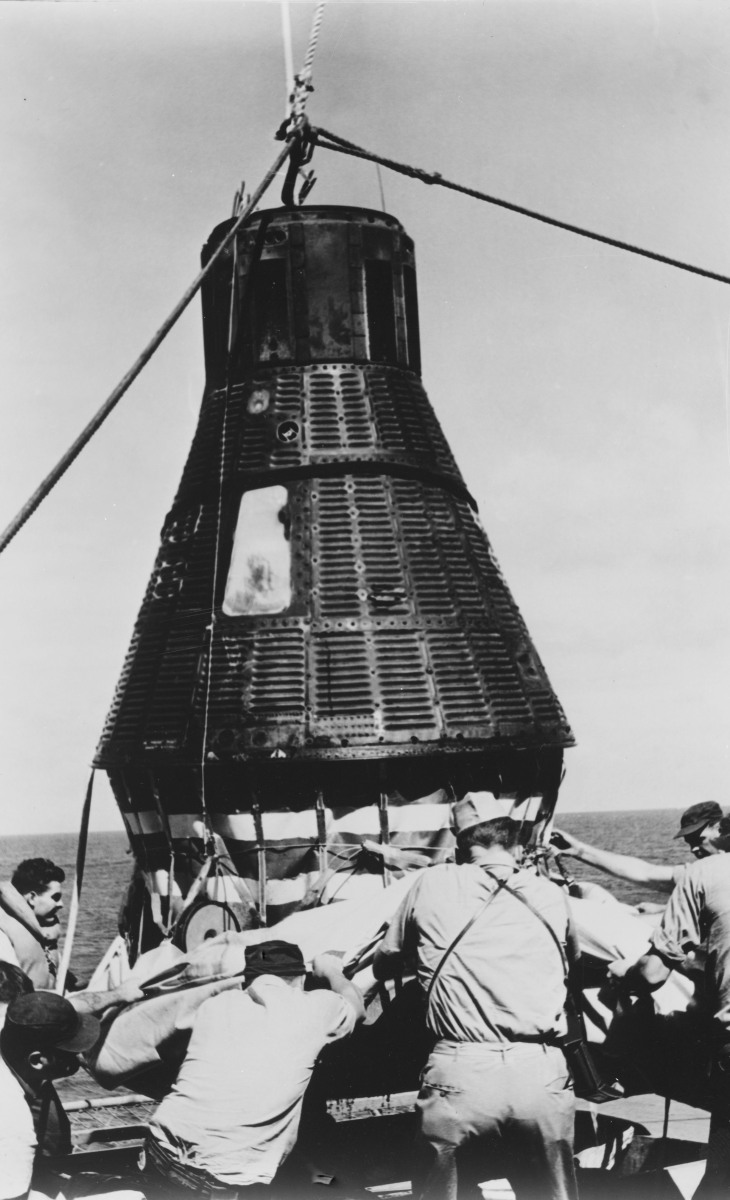
Schirra performed several control maneuvers with Sigma 7, both on the day and night sides of the Earth. However, most of the time of the flight, the spacecraft was held in the correct attitude by the autopilot or drifted rudderless to save fuel.
The first live television broadcast from space also took place during this flight, although it only lasted a few minutes. The television signals were transmitted by the Telstar 1 TV satellite.
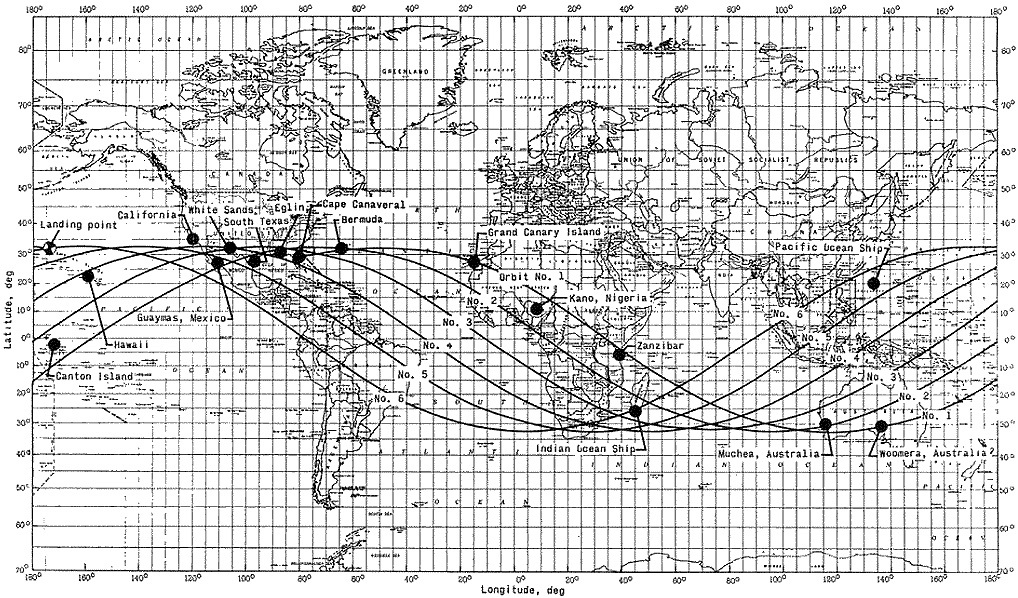
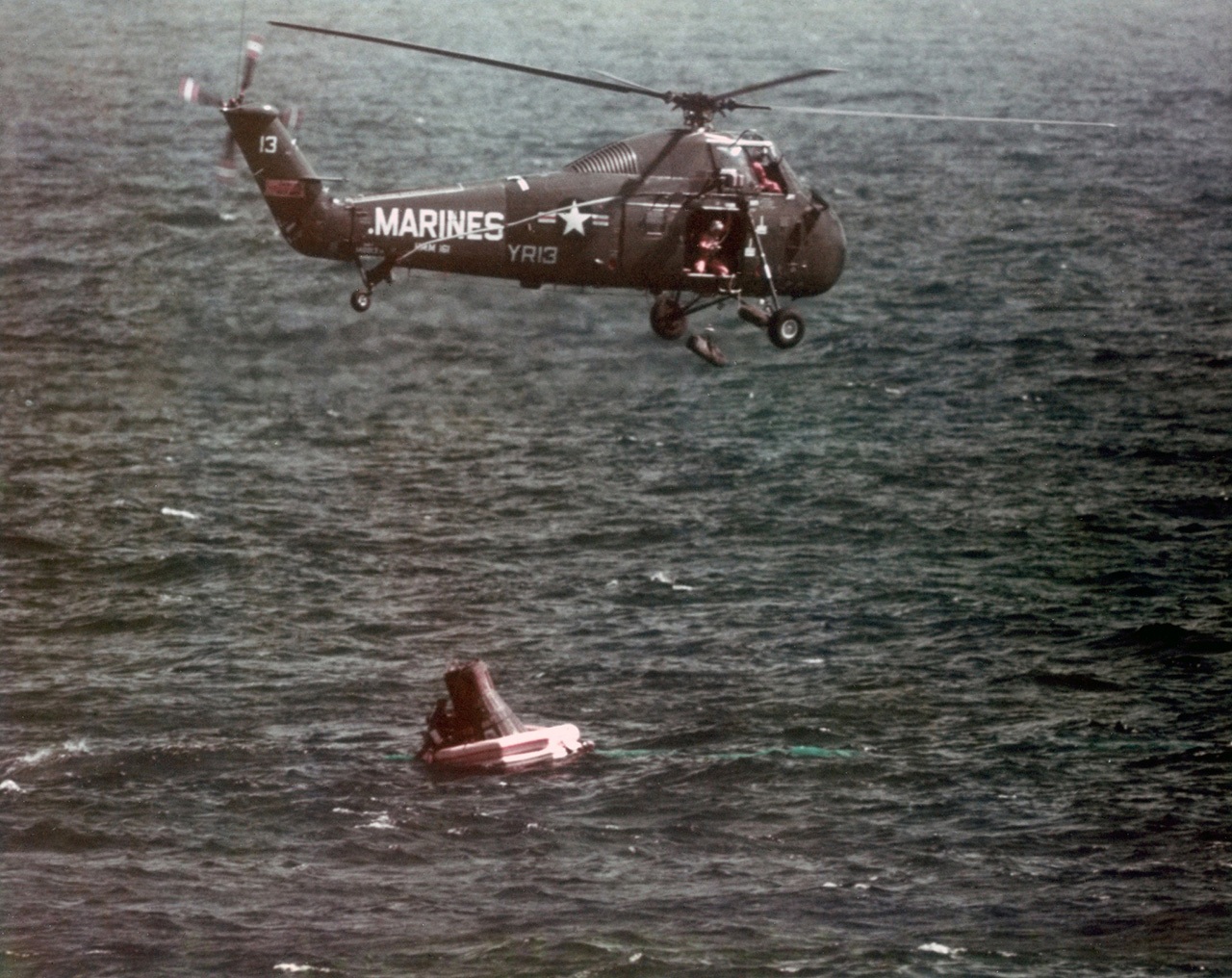
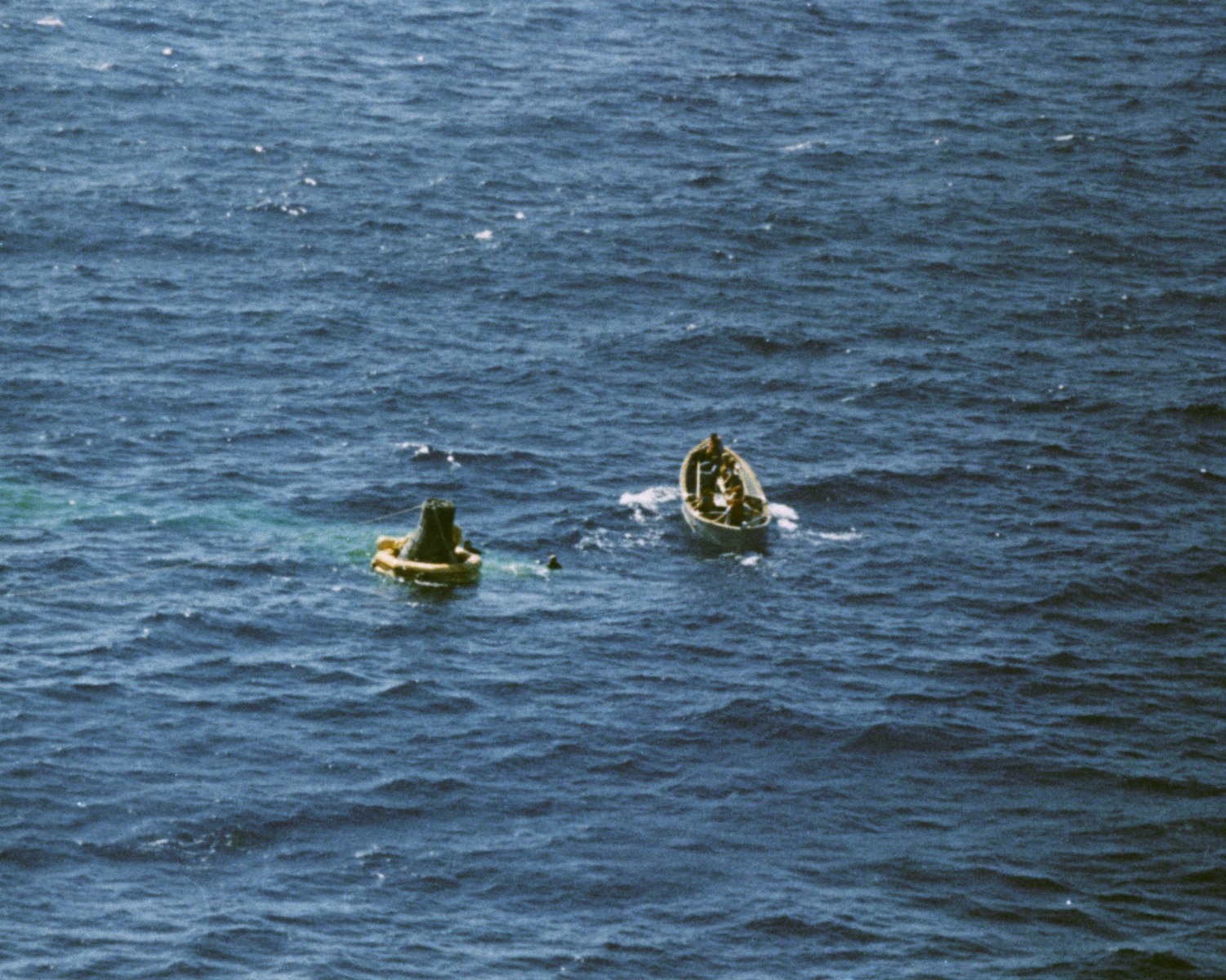
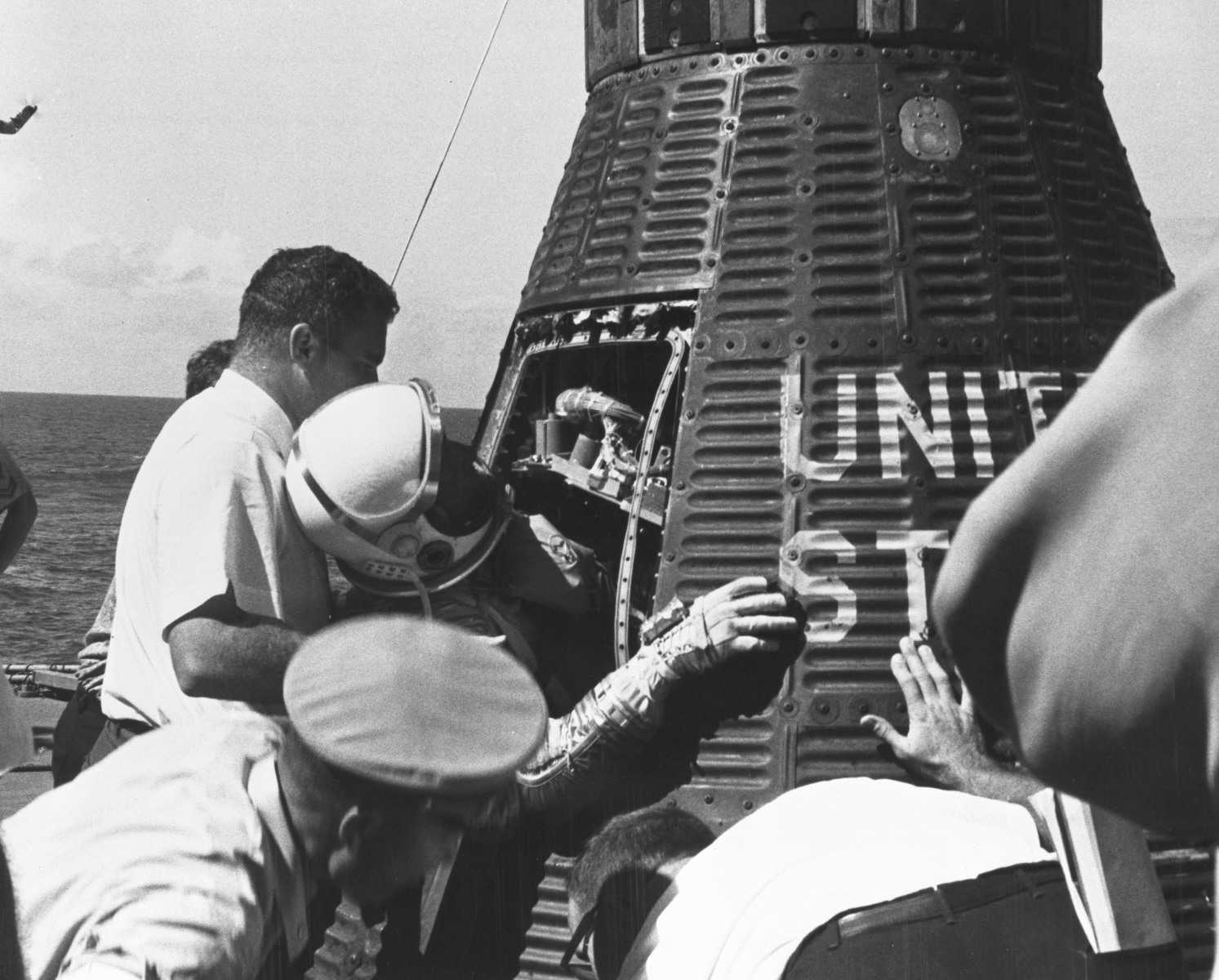
The splashdown was carried out with significantly greater precision than in previous Mercury flights. Sigma 7 landed just 9,000 meters from the recovery ship, the aircraft carrier USS Kearsarge. It was the first time that a manned landing capsule landed in the Pacific.
Schirra knew how to control the spacecraft carefully and in an energy-saving manner. In addition, there were no major mishaps, so the flight of Sigma 7 went down in NASA history as a “textbook space flight”.
Mission data |
|
|---|---|
Mission |
Mercury-Atlas 8 (MA-8) |
Rocket |
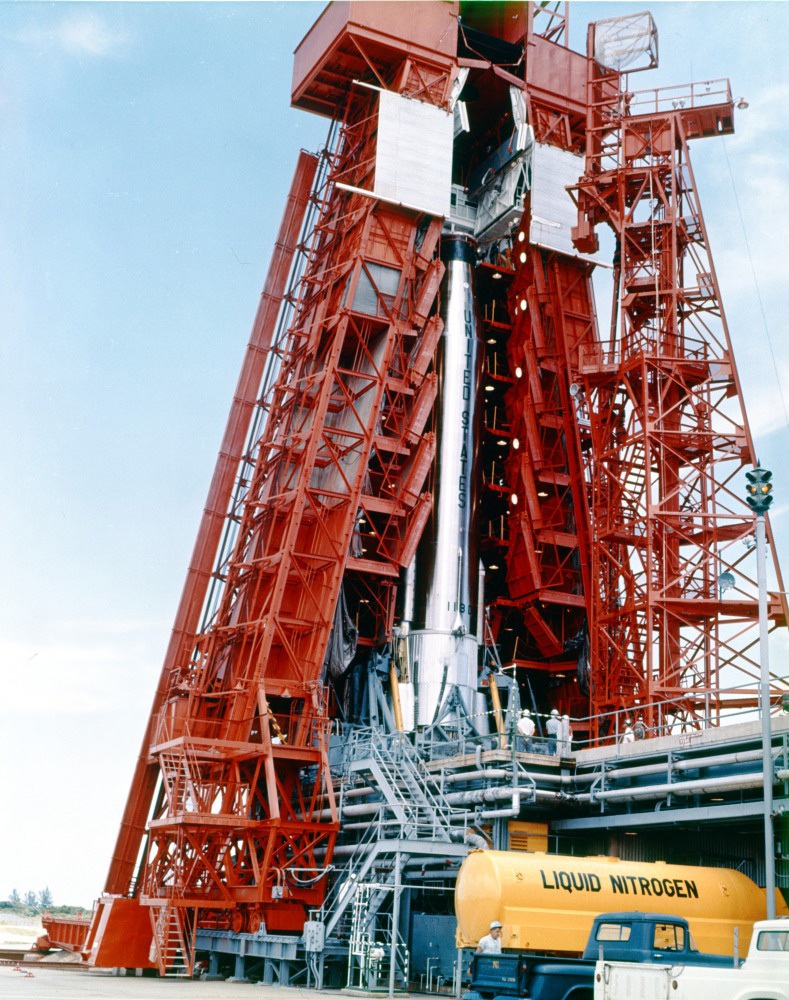
Atlas LV-3B 113-D |
Spacecraft |
Mercury capsule no. 16 “Sigma 7” |
Mass |
1,964 kg (Launch mass) 1,110 kg (Landing mass) |
Crew |
Walter M. Schirra |
Launch |
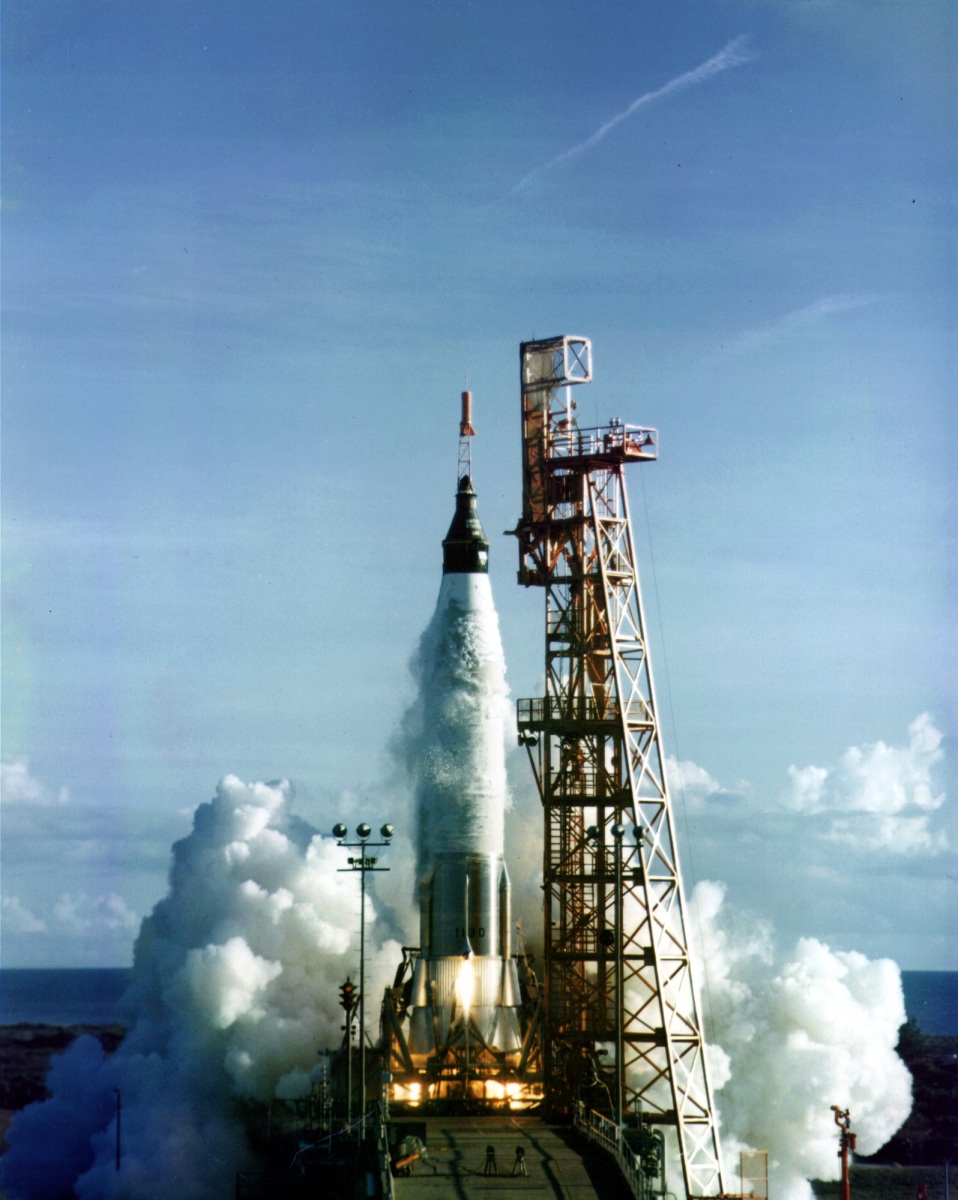
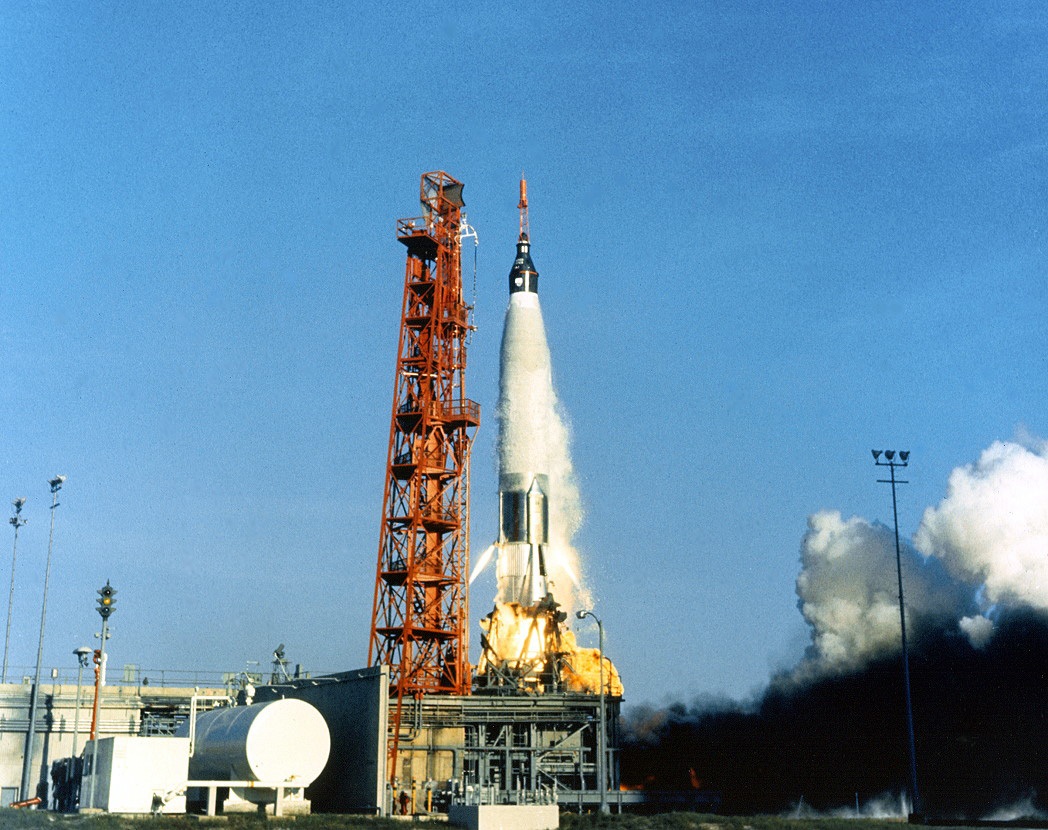
October 3, 1962, 12:15:12 UTC |
Launch site |
Launch Complex 14 (LC-14), Cape Canaveral, Florida |
Landing |
October 3, 1962, 21:28:23 UTC |
Landing site |
Pacific Ocean, 32° 6′ N, 174° 28′ W |
Recovery ship |
USS Kearsarge |
Orbits |
6 |
Mission duration |
9 h 13 min 11 sec |
Apogee altitude |
283 km |
Perigee altitude |
161 km |
Distance |
231,718 km |
Velocity |
28,257 km/h |
Max G |
8.1 g |