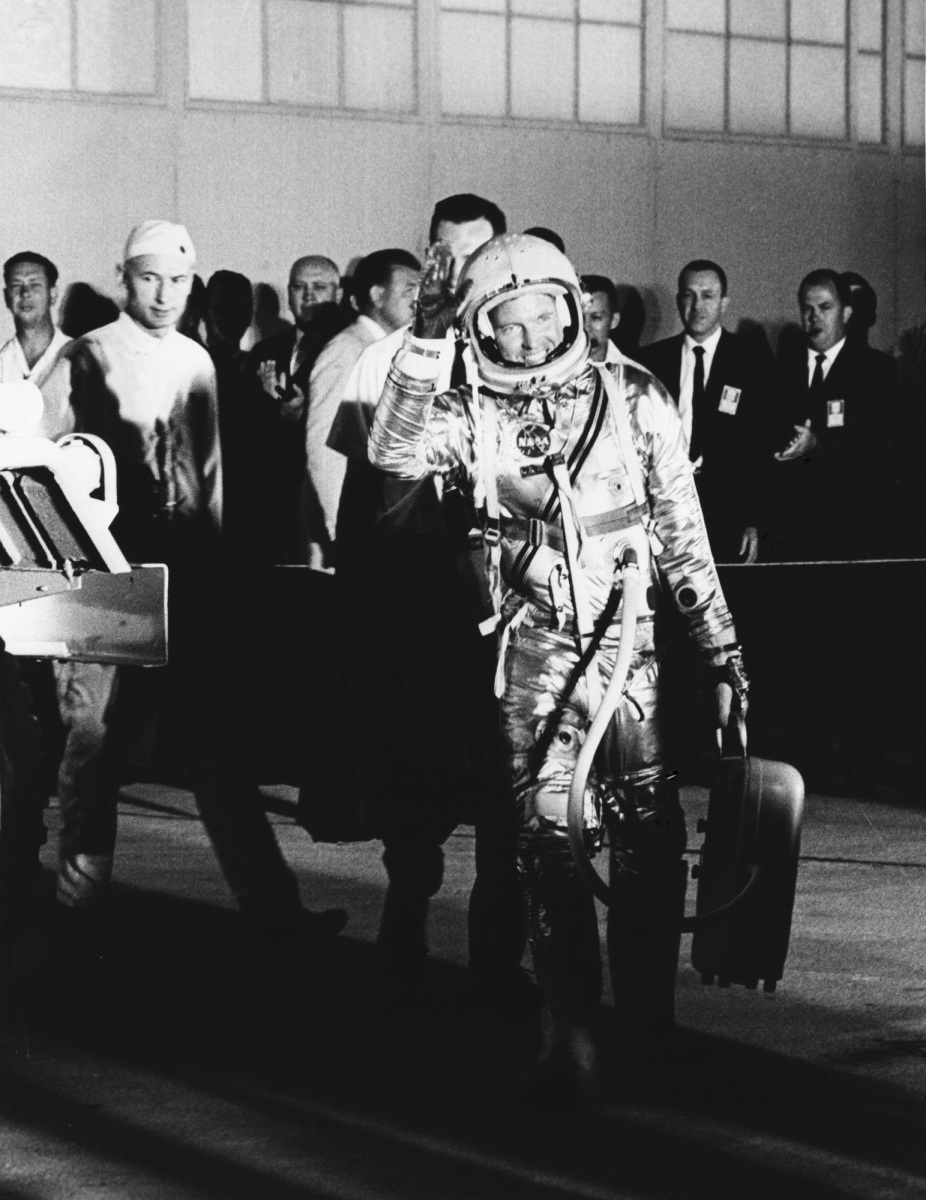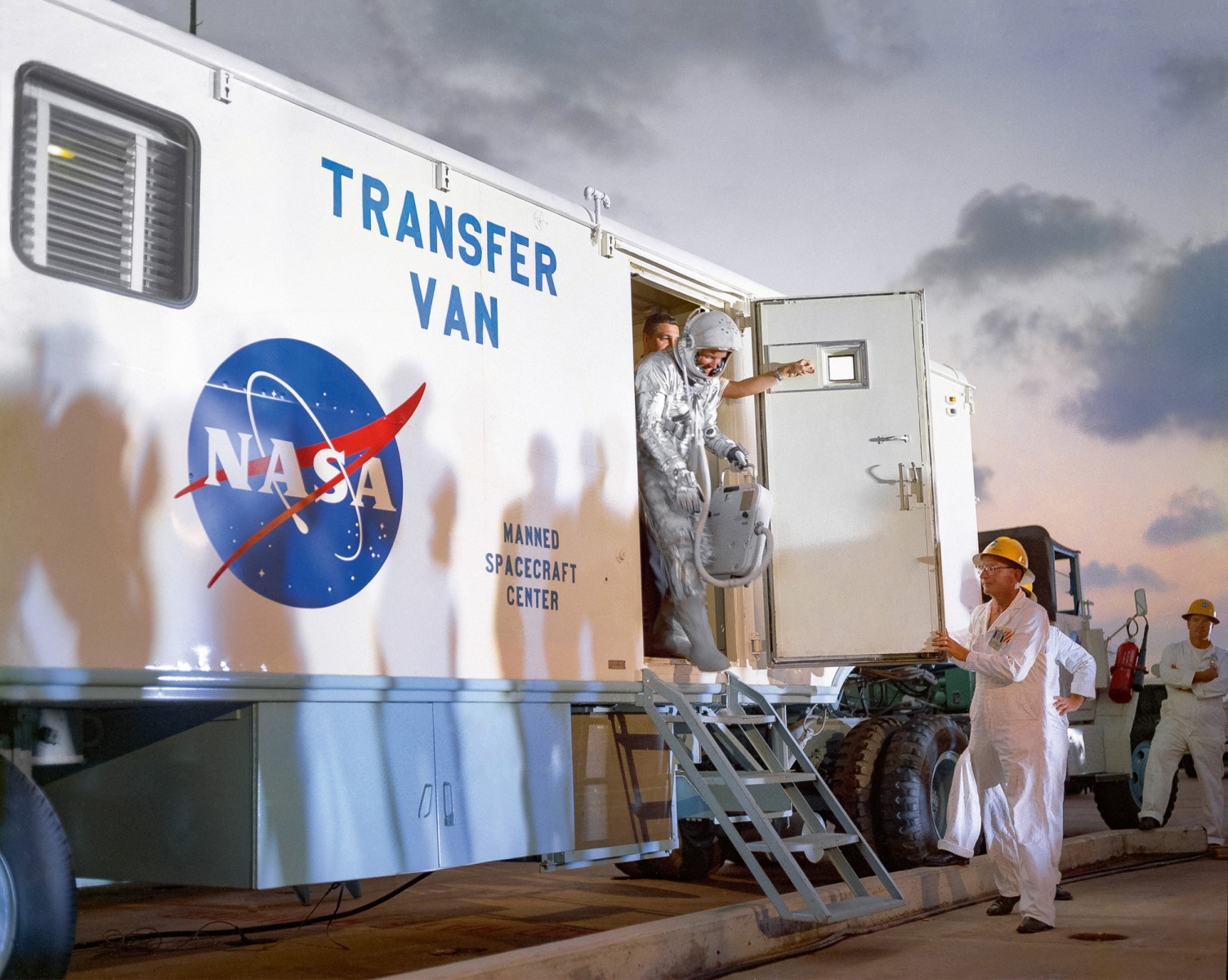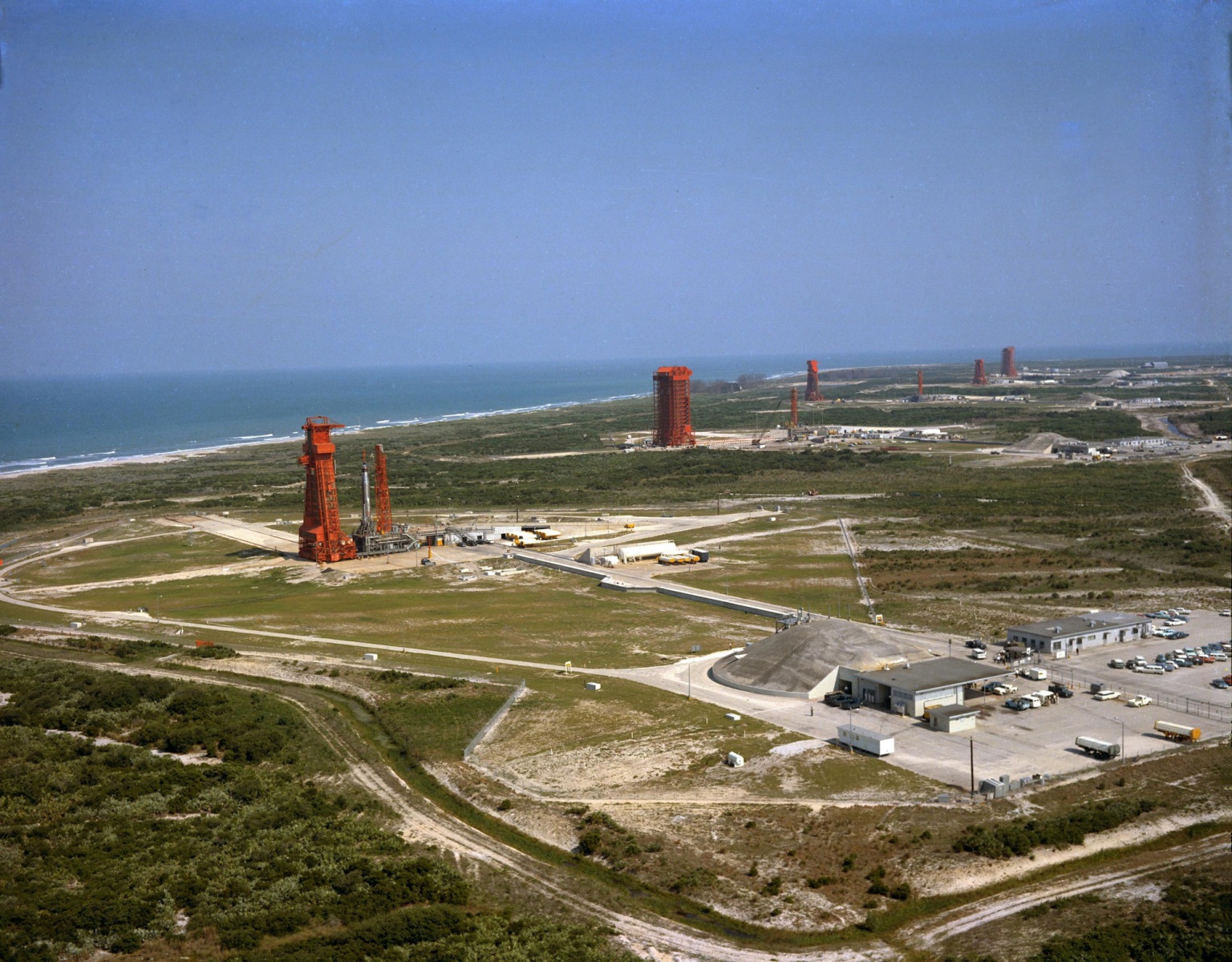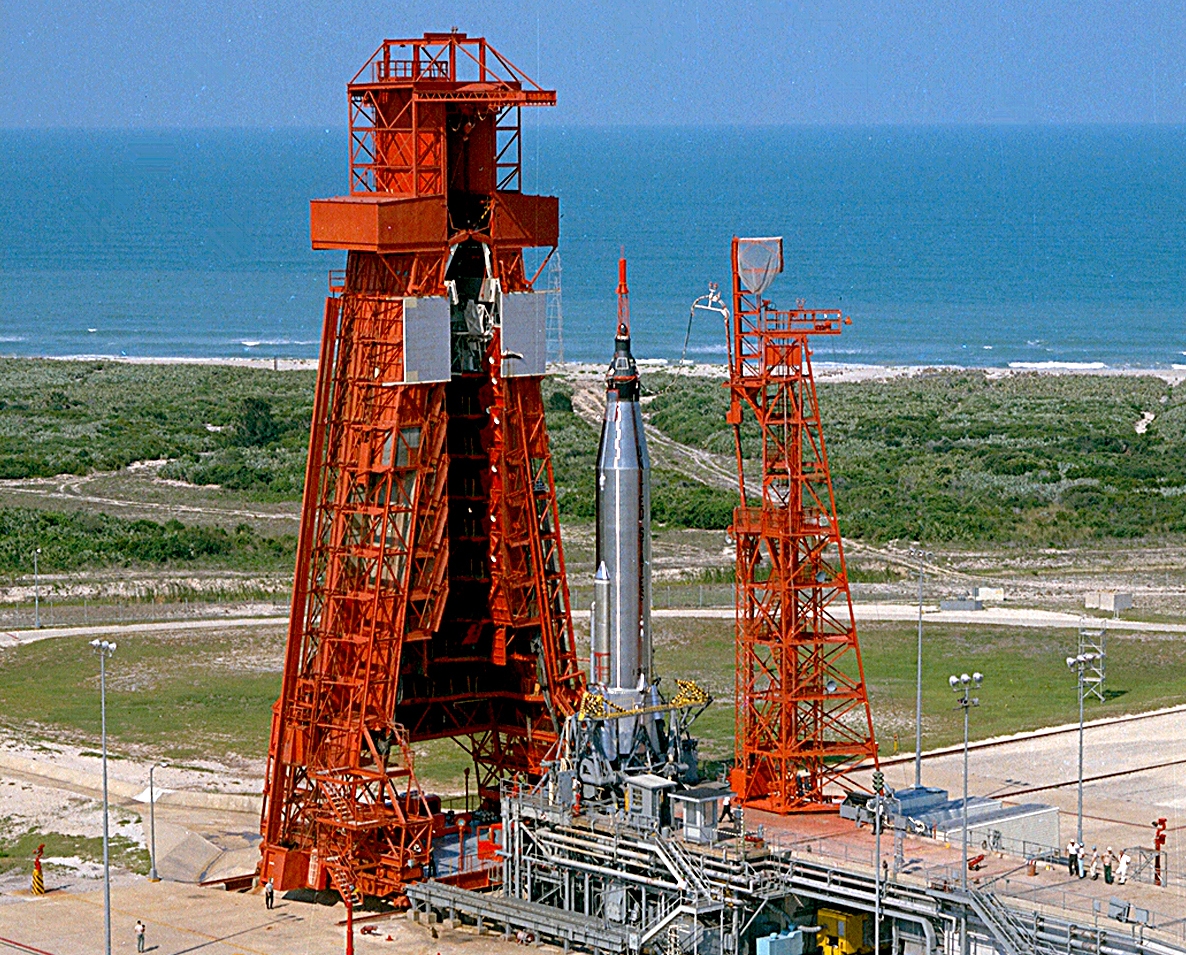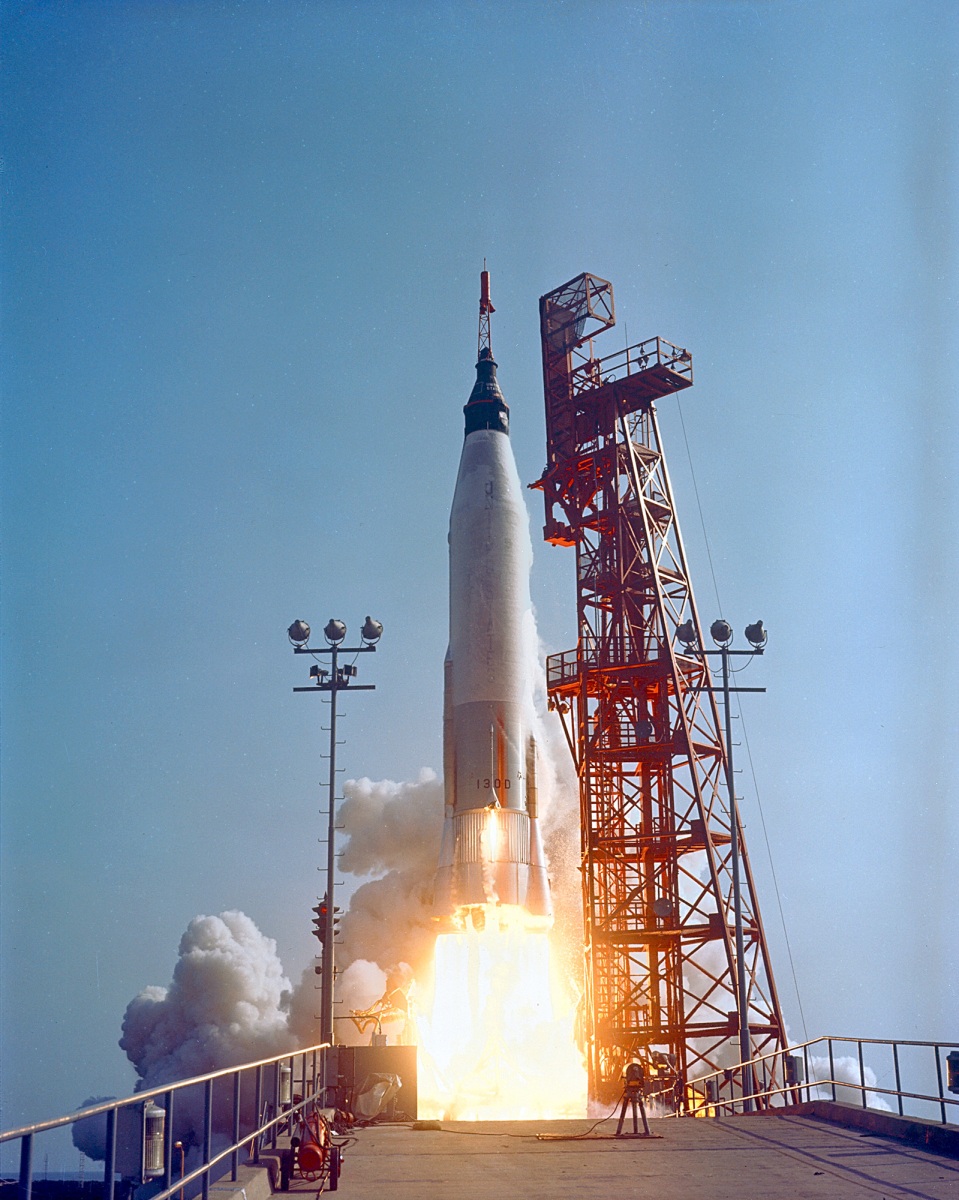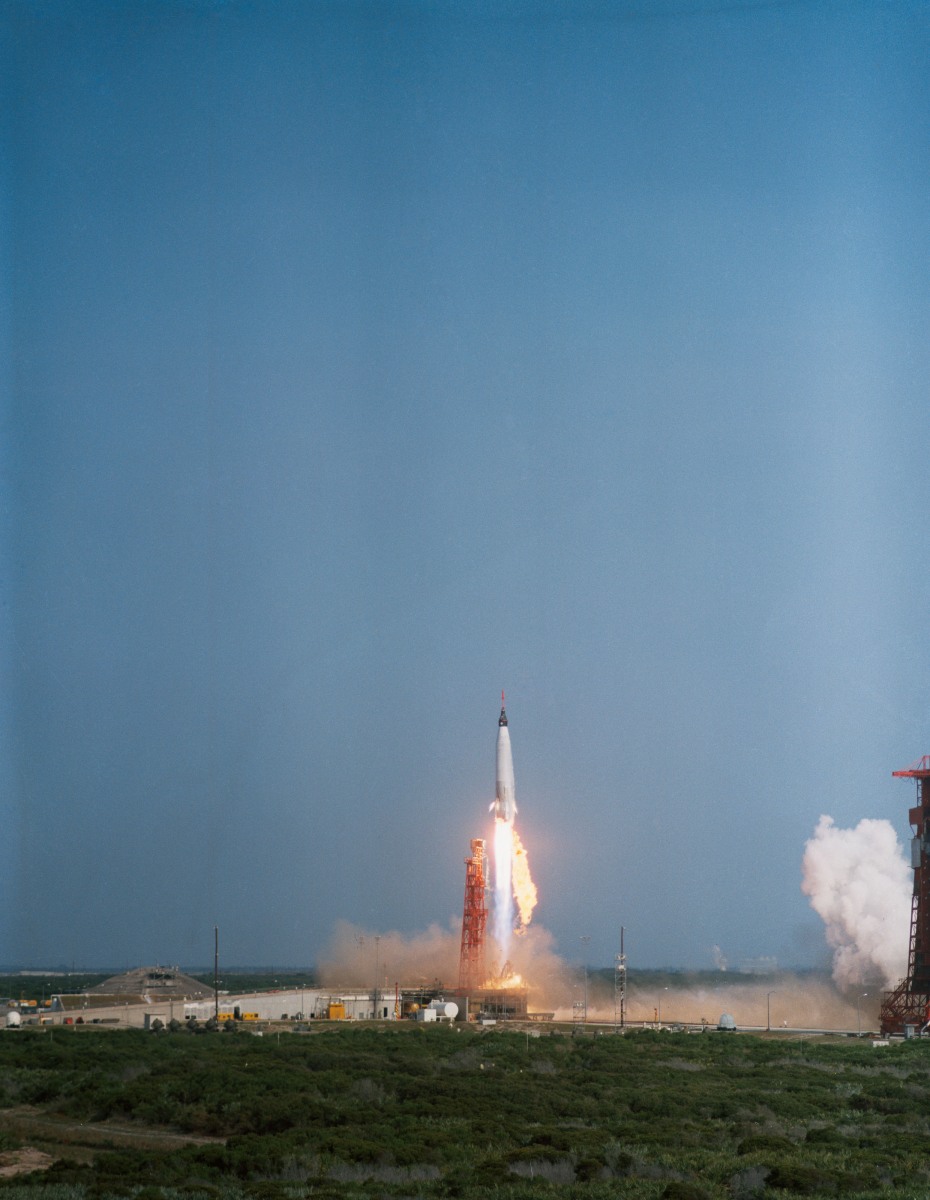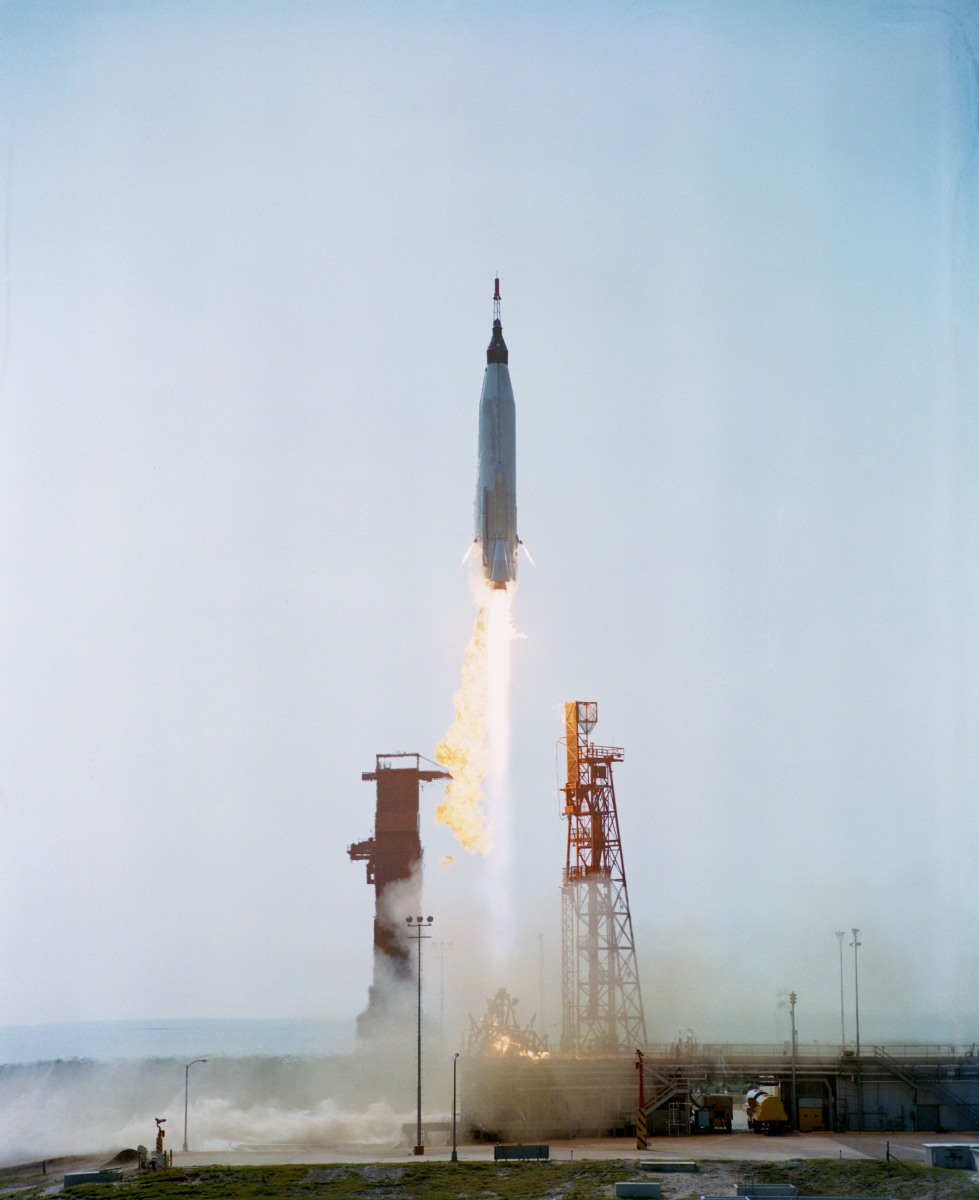
Gordon Cooper was the first American astronaut to sleep in Earth orbit. He dozed off several times while waiting on the launch pad. In weightlessness, he now had to make sure that he didn’t accidentally touch switches and levers with his floating arms.
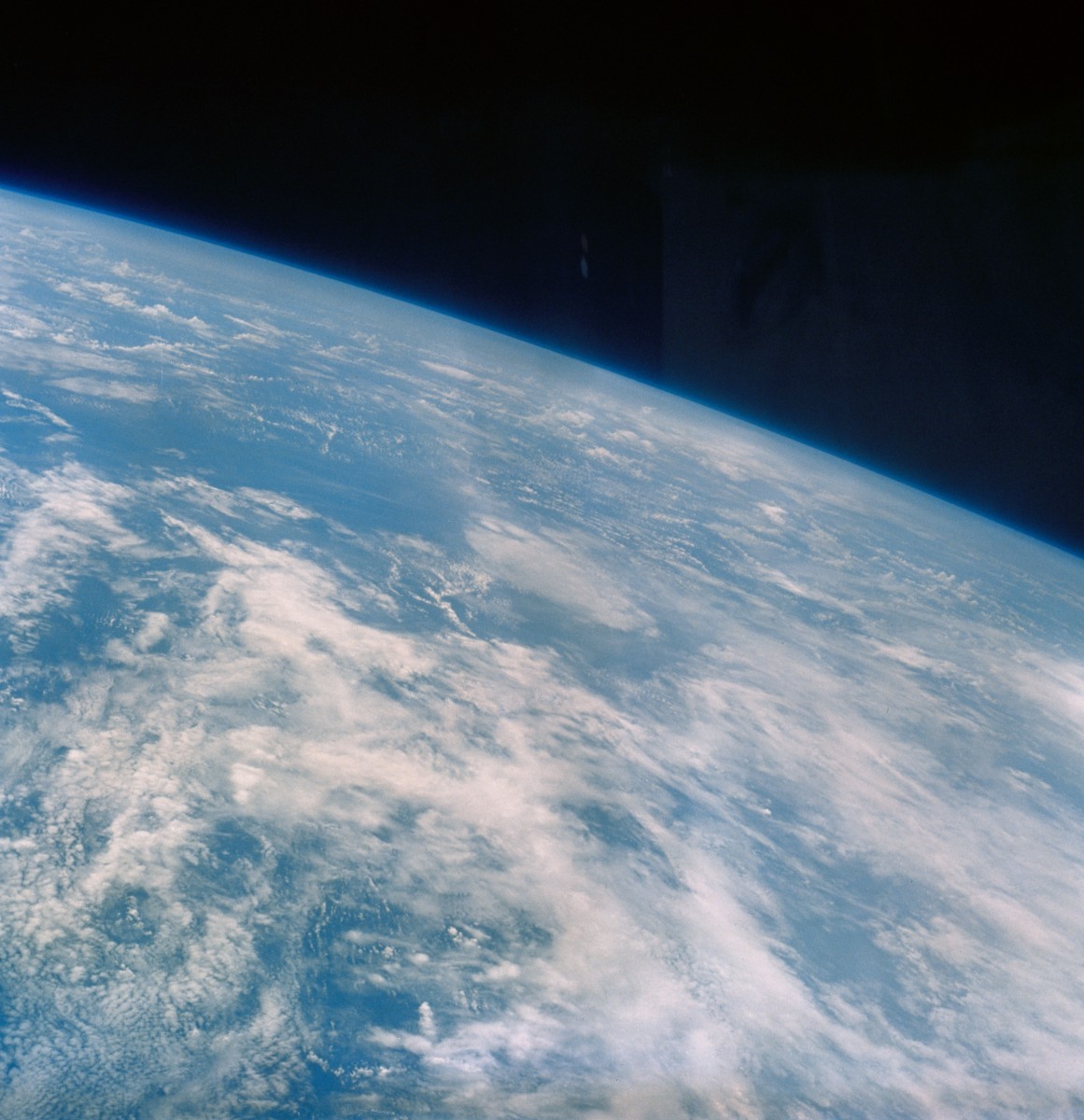
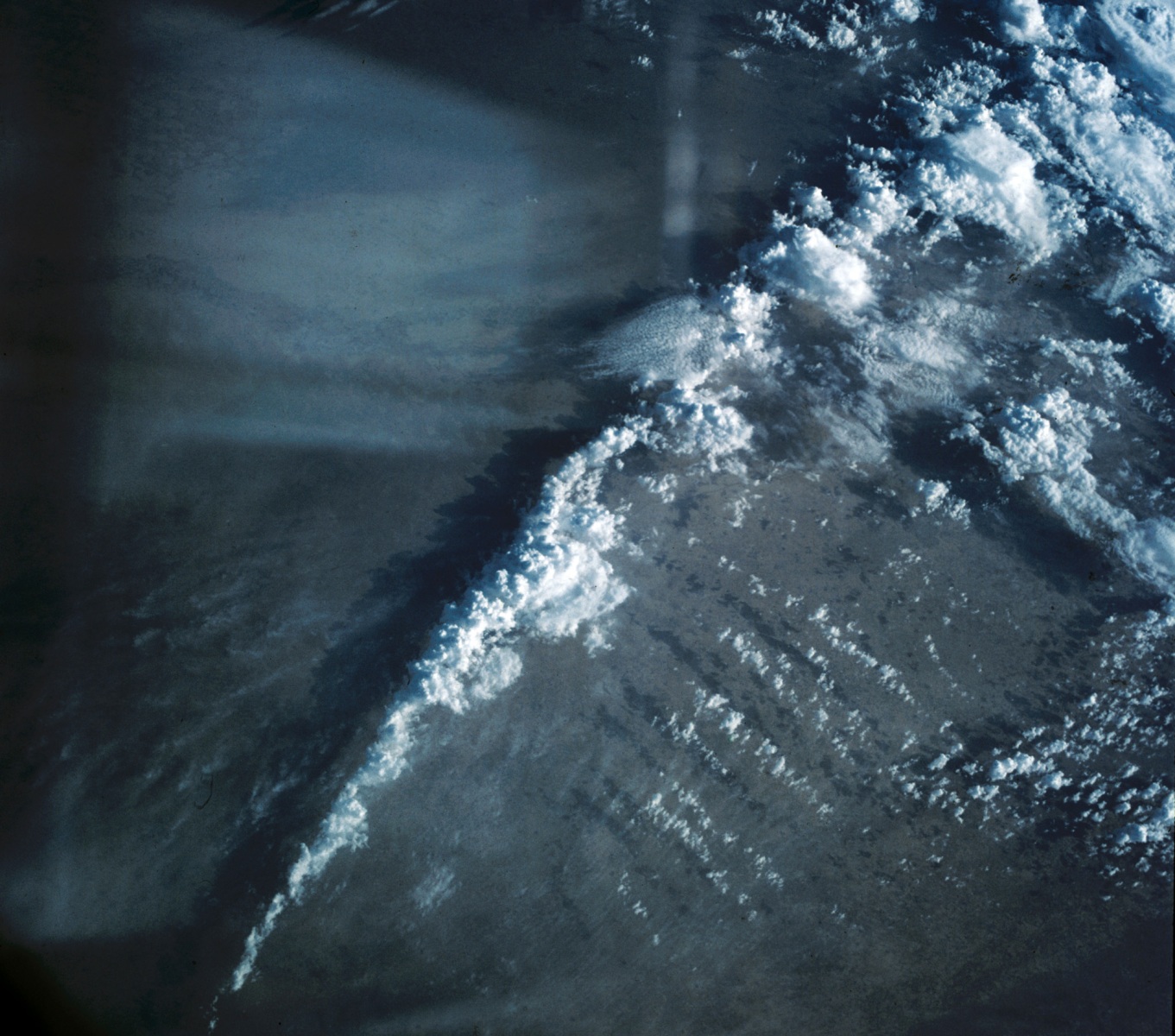
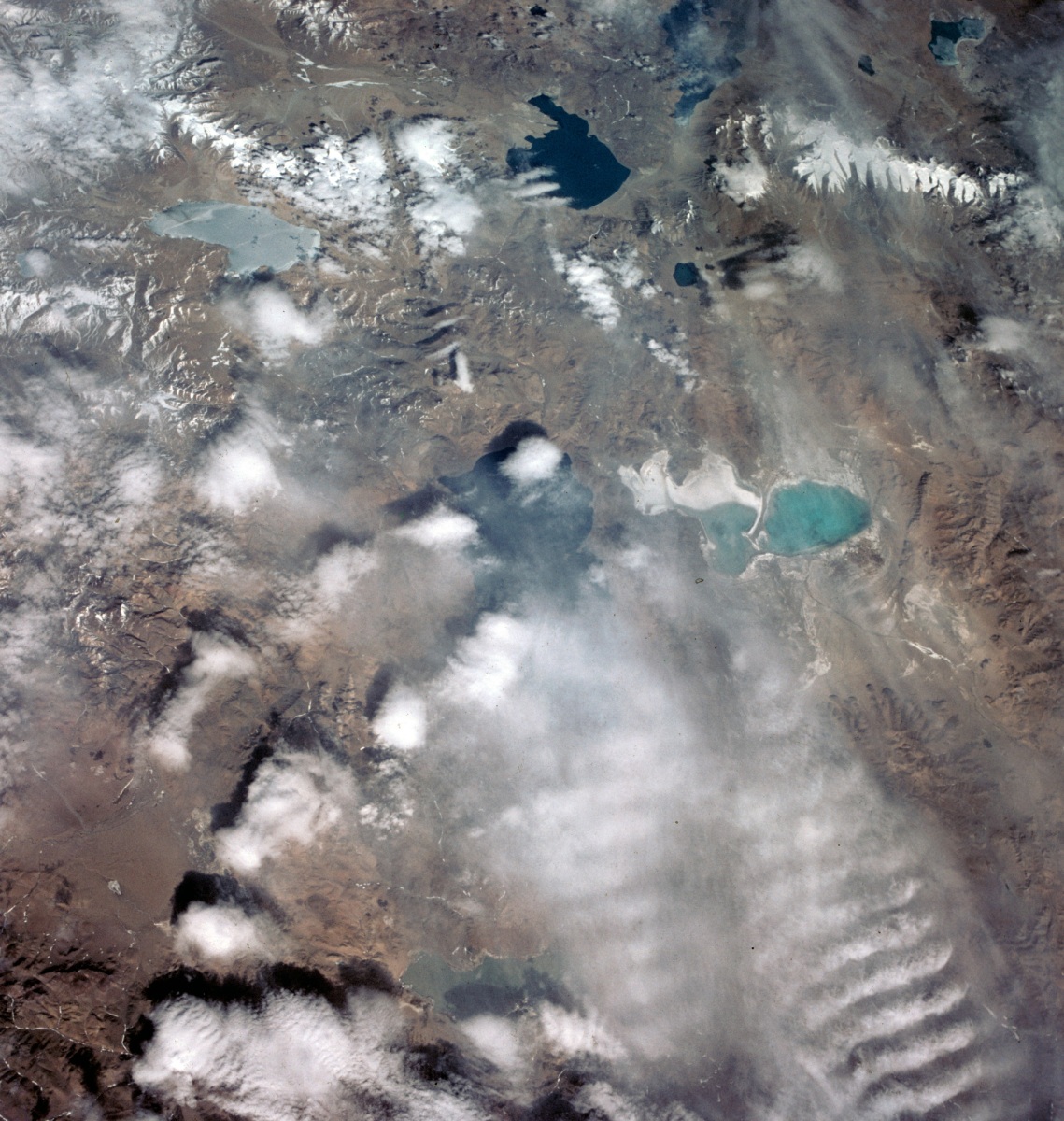
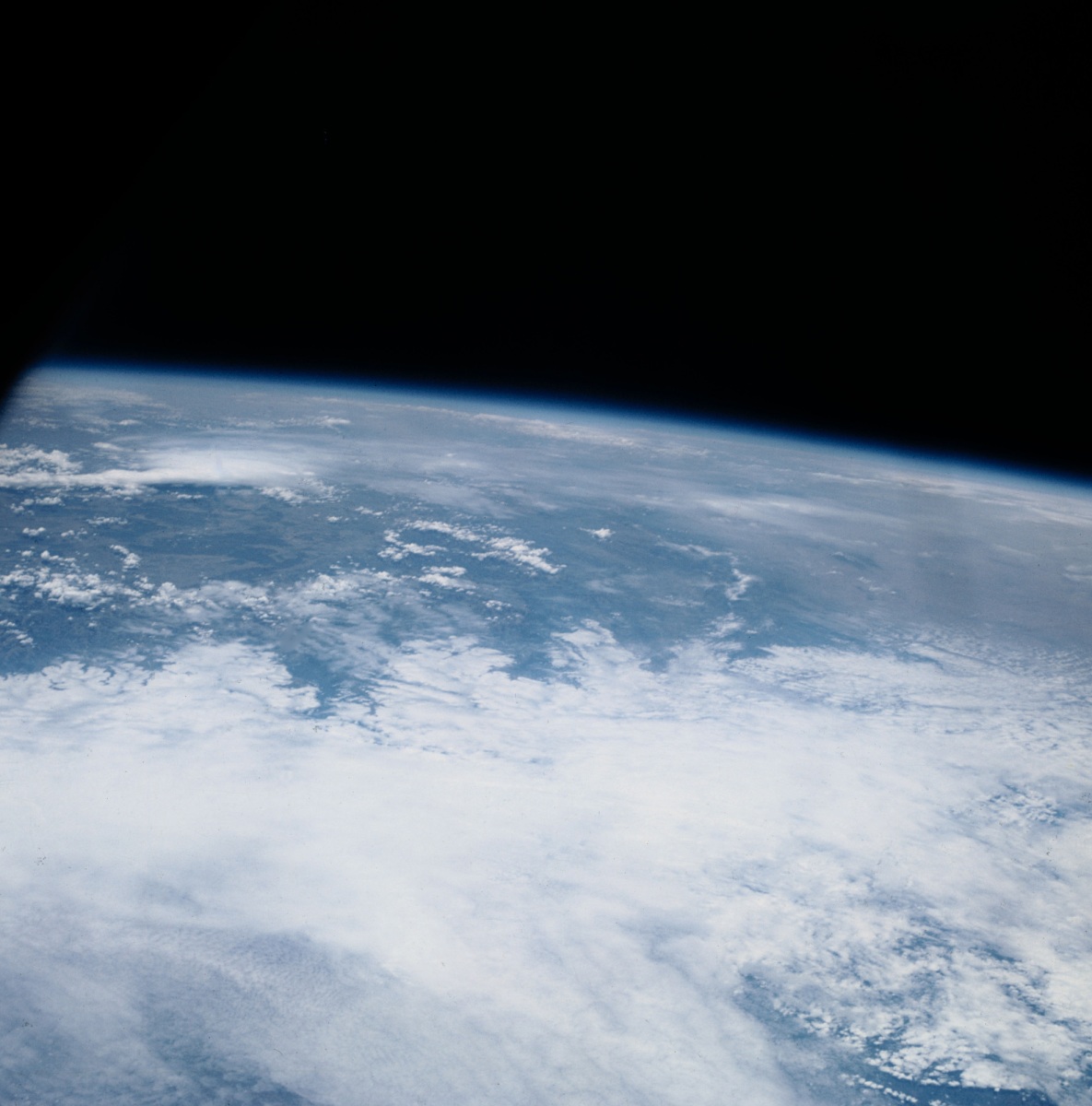
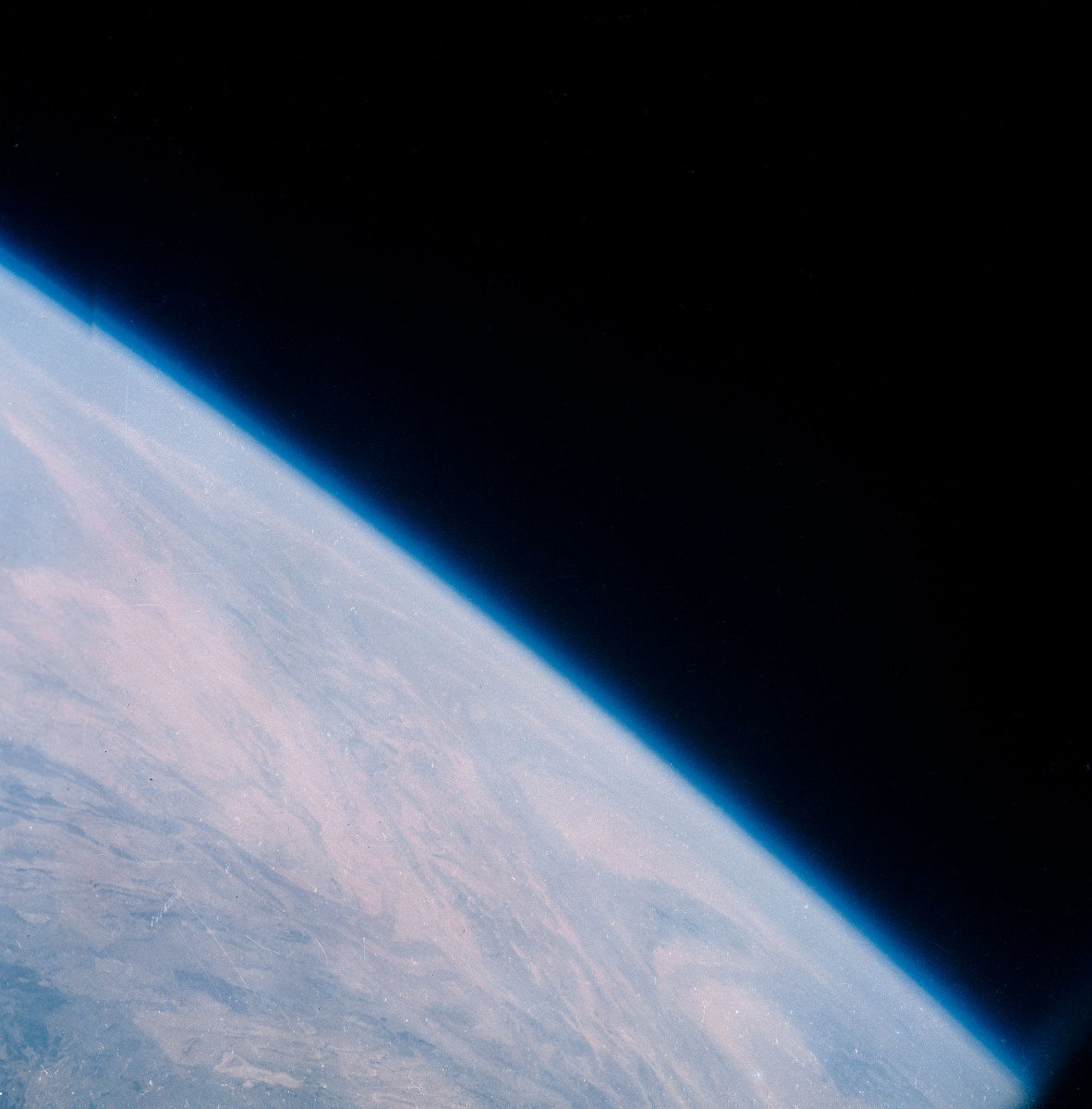
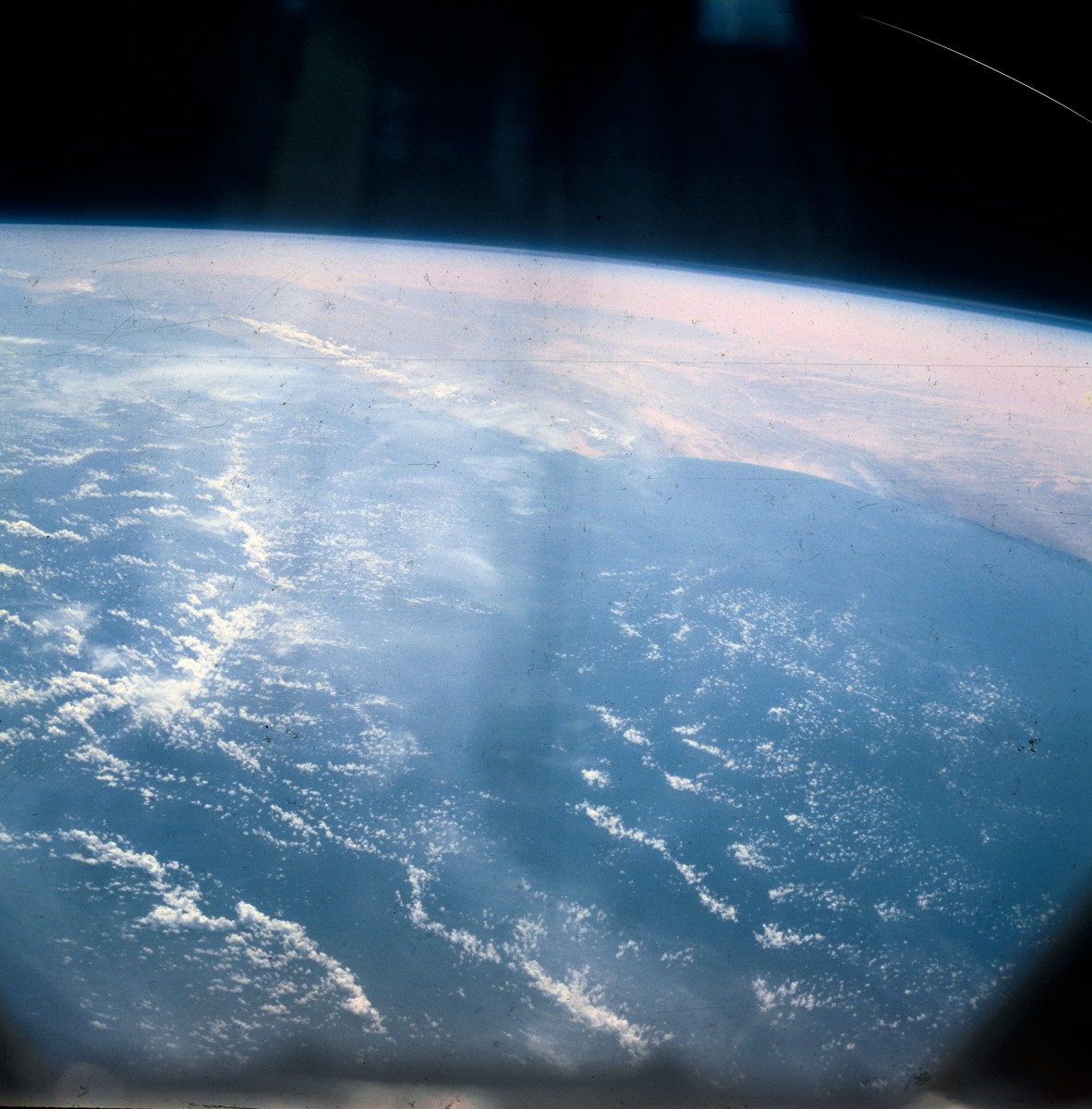
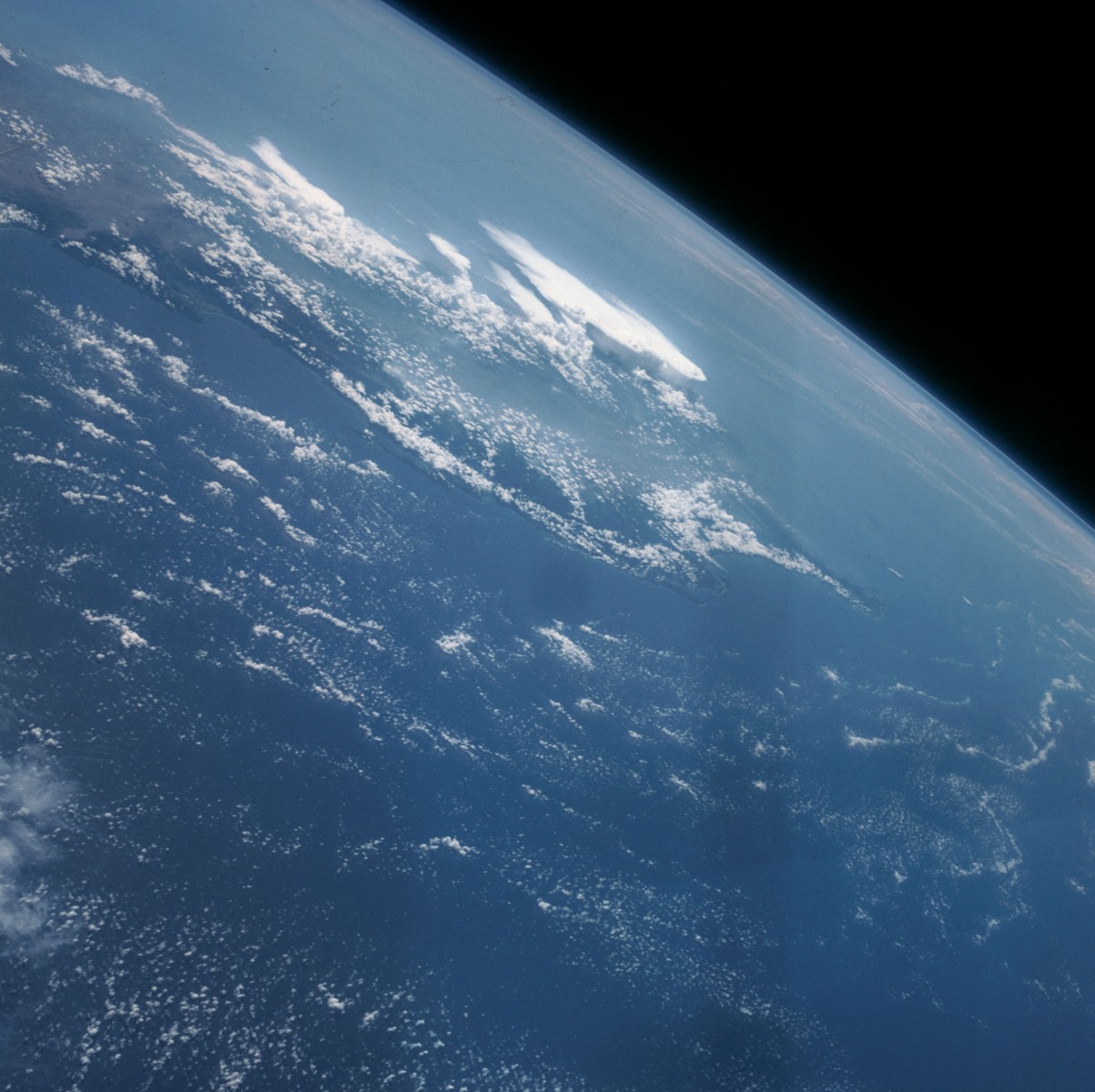
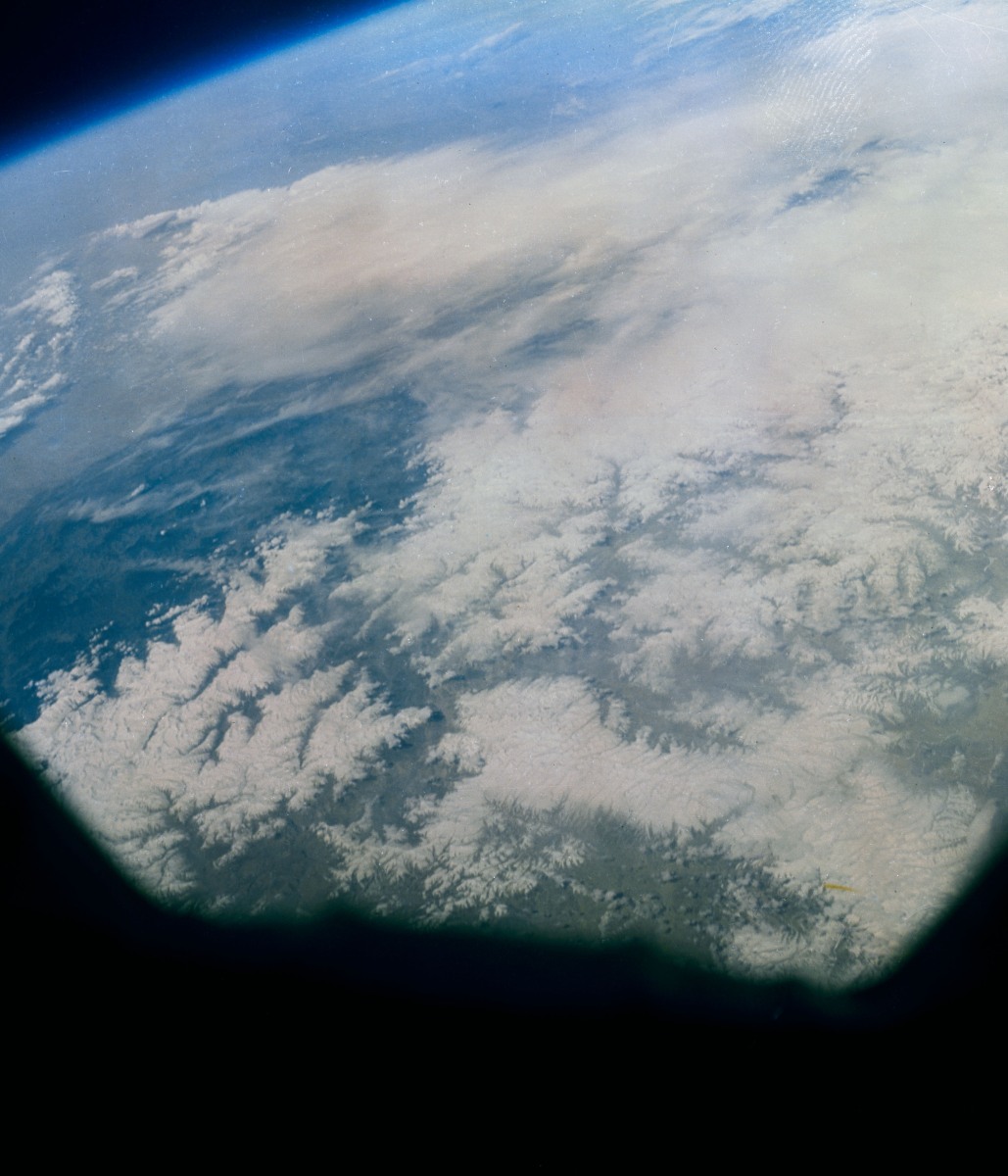
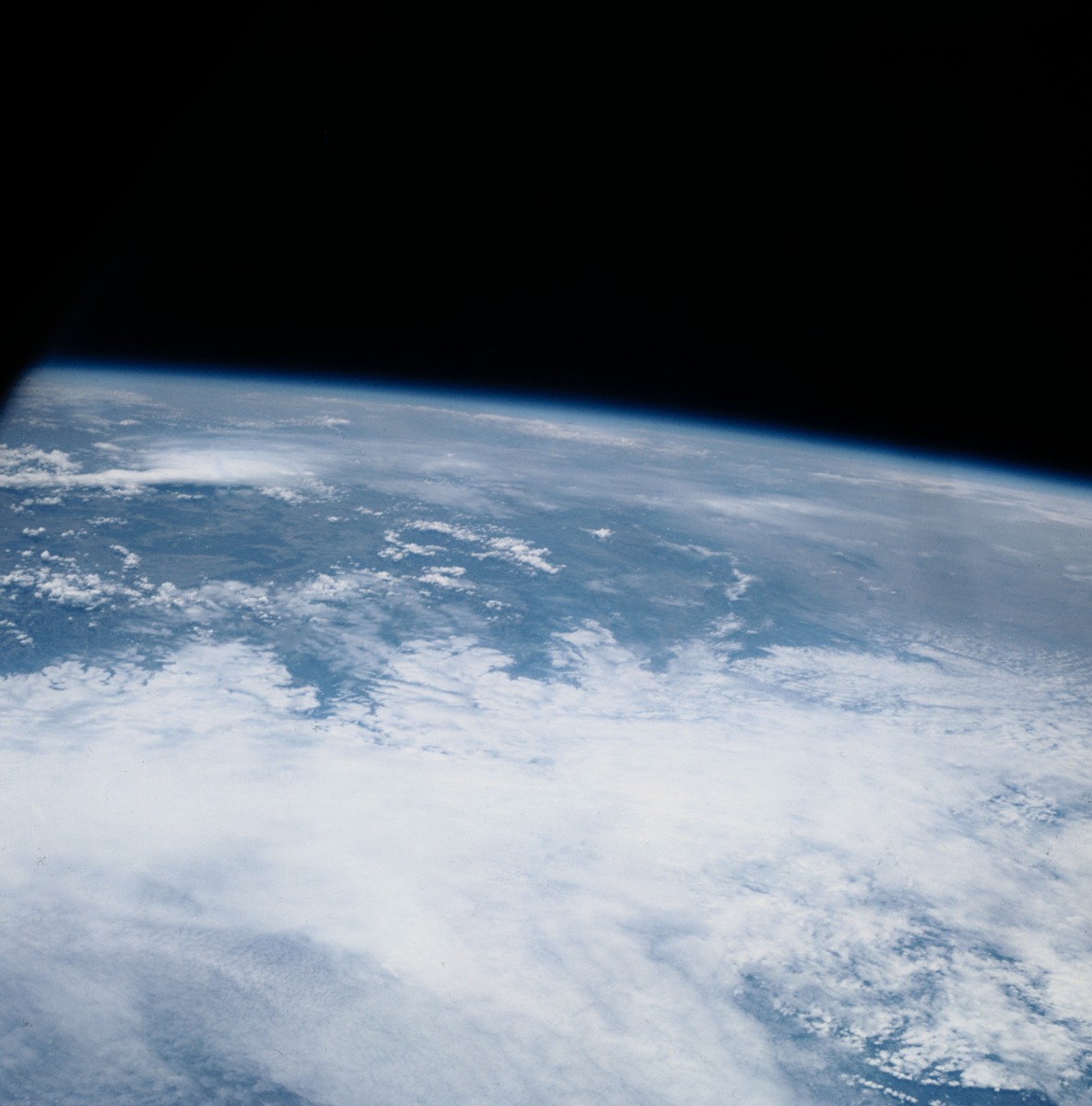
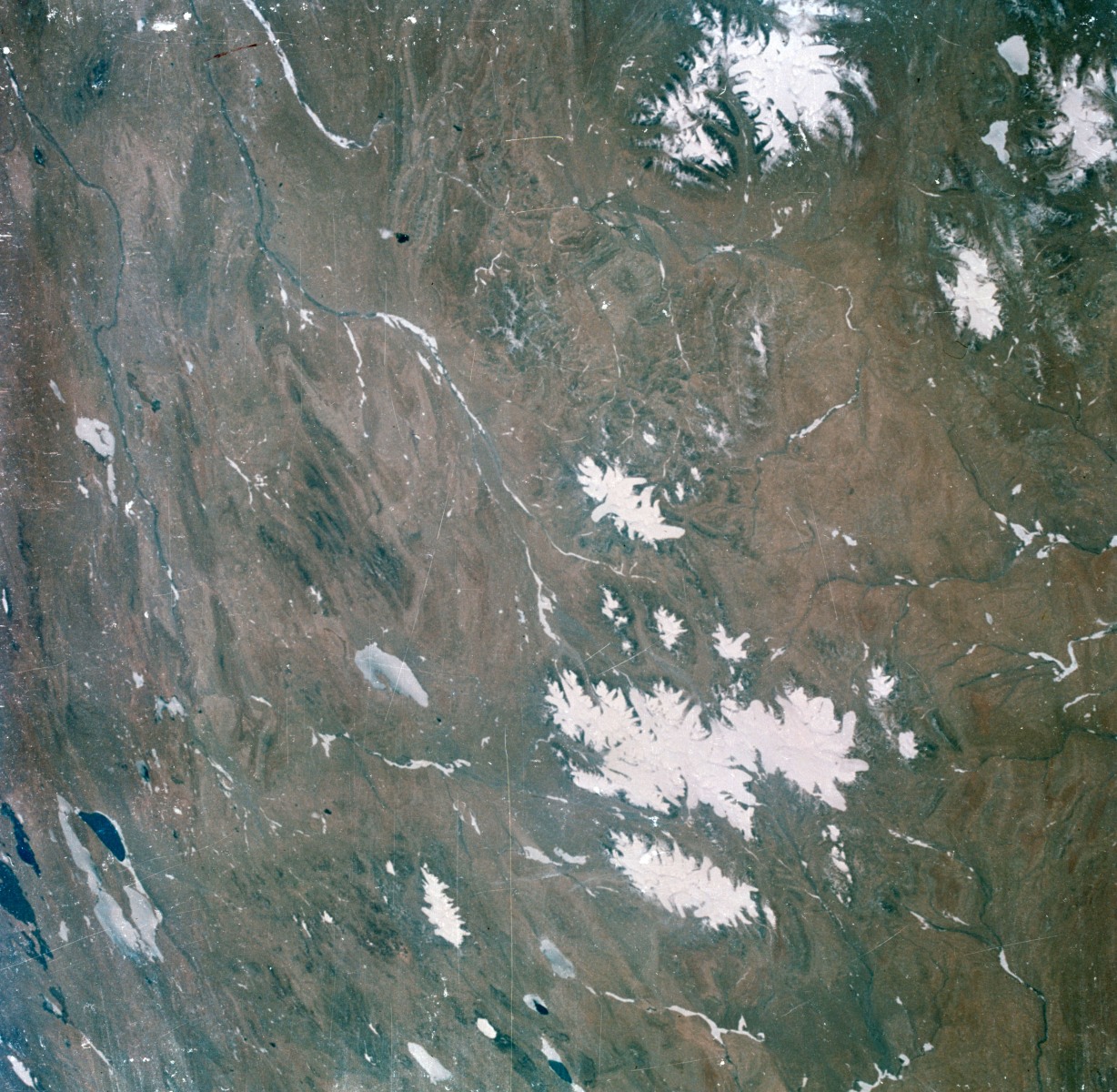
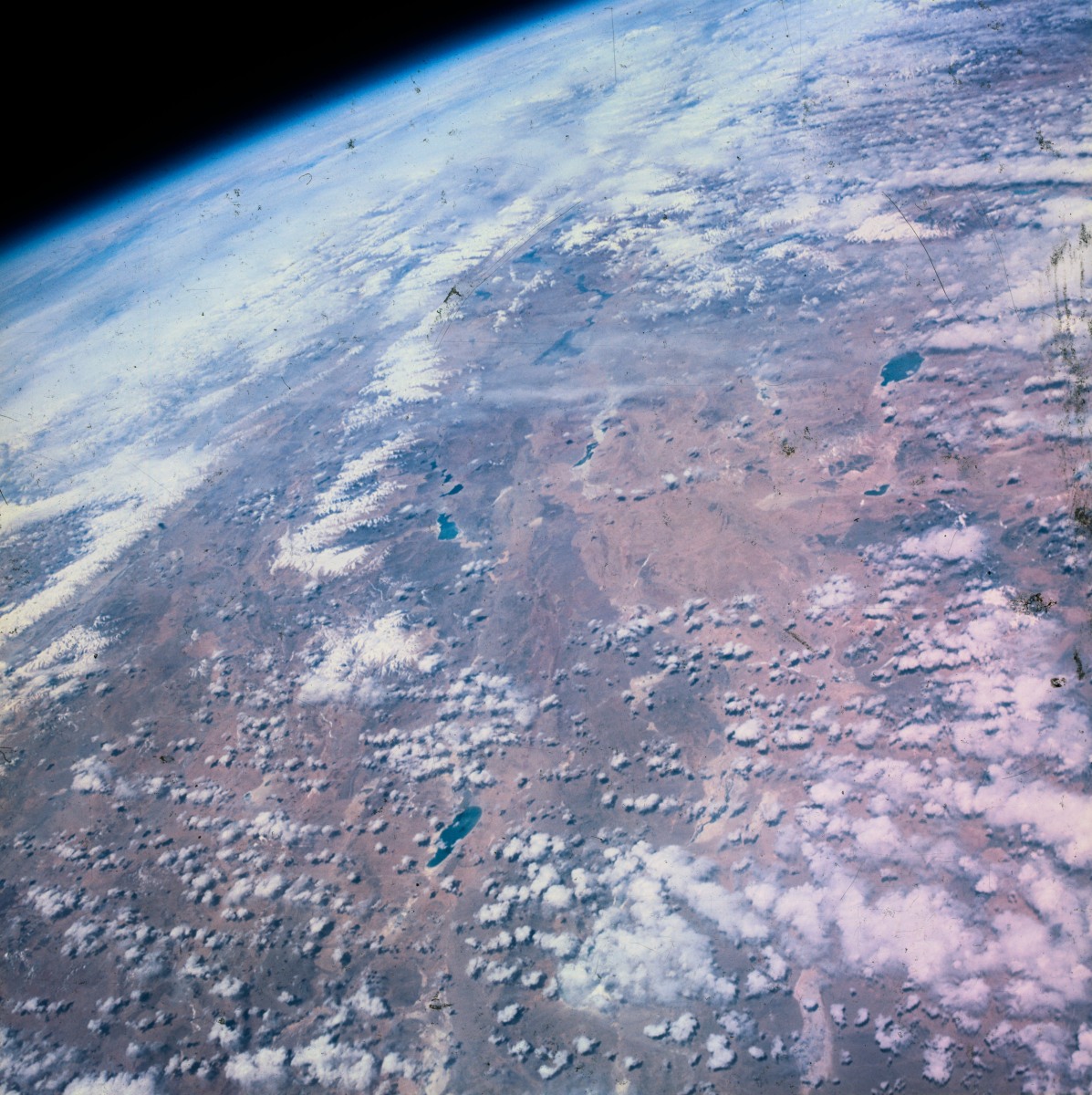
Cooper reported that from orbit, with proper lighting and good contrast, he was able to see even relatively small objects such as trucks and houses on the Earth’s surface. He was able to estimate wind direction and wind speed from the smoke plumes.
Near the end of the flight, several systems failed and Cooper had to manually initiate reentry, assisted by liaison spokesman John Glenn. Faith 7 watered near the Midway Islands and, with Cooper on board, was hoisted onto the aircraft carrier USS Kearsarge, which had also recovered Walter Schirra with Sigma 7.
The Mercury-Atlas 9 (MA-9) mission was the last manned space flight in the Mercury program and marked a brilliant conclusion. The original goals had been achieved or even exceeded. NASA’s attention now turned to the Gemini spacecraft, which were designed for two astronauts and could be controlled in orbit. In addition, the Gemini program provided for couplings in Earth orbit and exits of astronauts, which was not technically possible with a Mercury spacecraft.
Mission data |
|
|---|---|
Mission |
Mercury-Atlas 9 (MA-9) |
Rocket |
Atlas LV-3B 130-D |
Spacecraft |
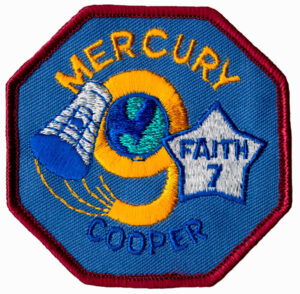
Mercury capsule no. 20 “Faith 7” |
Mass |
1,360.8 kg |
Crew |
Leroy Gordon Cooper |
Launch |
May 15, 1963, 13:04:13 UTC |
Launch site |
Launch Complex 14 (LC-14), Cape Canaveral, Florida |
Landing |
May 16, 1963, 23:24:02 UTC |
Landing site |
Pacific Ocean, 27° 20′ N, 176° 26′ W |
Recovery ship |
USS Kearsarge |
Orbits |
22 |
Mission duration |
34 h 19 min 49 sec |
Apogee altitude |
267 km |
Perigee altitude |
161 km |
Distance |
878,971 km |
Velocity |
28,239 km/h |
Max G |
7.6 g |